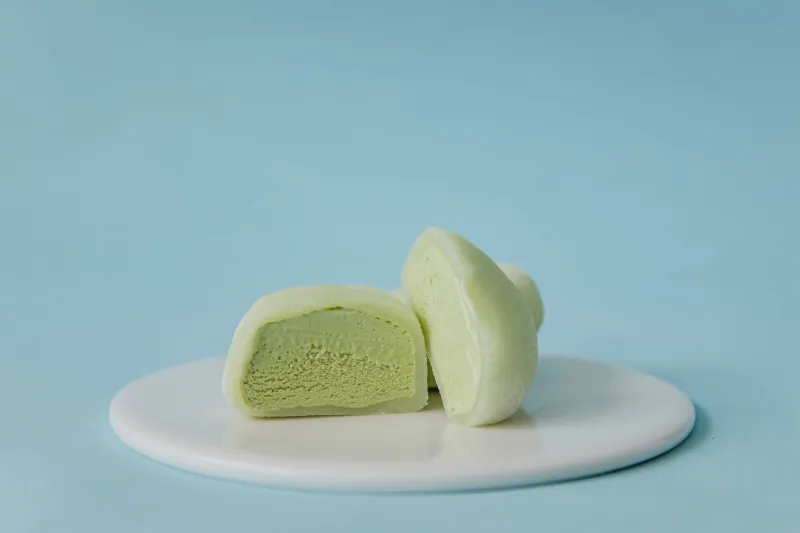
Strawberries Are So Last Spring: Daifuku for Every Month of the Year
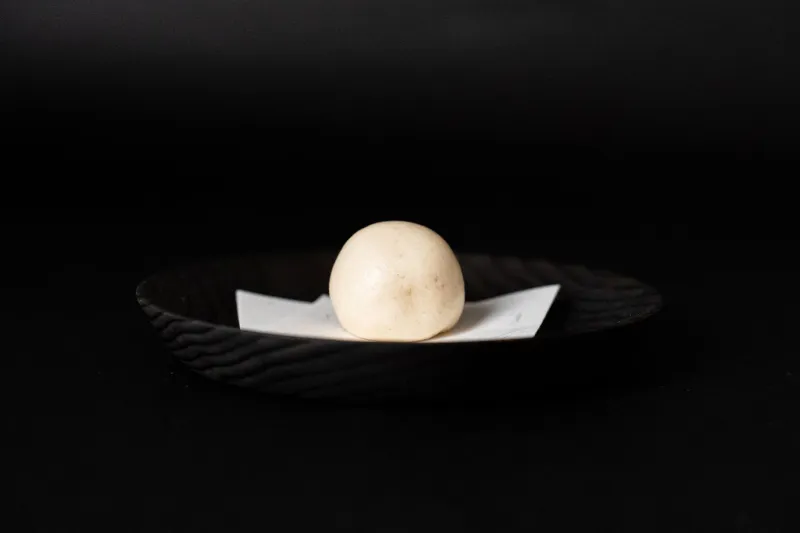
If you've ever hunted down ichigo daifuku — the plump, strawberry-stuffed mochi that appears in Japanese sweet shops for a blink of a season — you know the particular ache of wanting something that's only here for a moment. Whole-wrapped strawberry, anko, soft mochi skin: it exists roughly from late winter through mid-spring, and then it's gone until next year.
In Japan, this isn't a marketing gimmick. It's shun (旬) — the idea that every food has a brief peak season, and that eating something at its peak is not just tastier but more meaningful. You don't fight the calendar. You ride it.
American grocery culture, built on year-round everything, doesn't exactly train us for this. But here's a thought: what if you let the calendar lead anyway — just with your own local produce? Daifuku is a remarkably flexible format. The mochi skin doesn't care what's inside. So let's map out a twelve-month daifuku life.
Spring: Strawberries, Obviously — and Raspberries
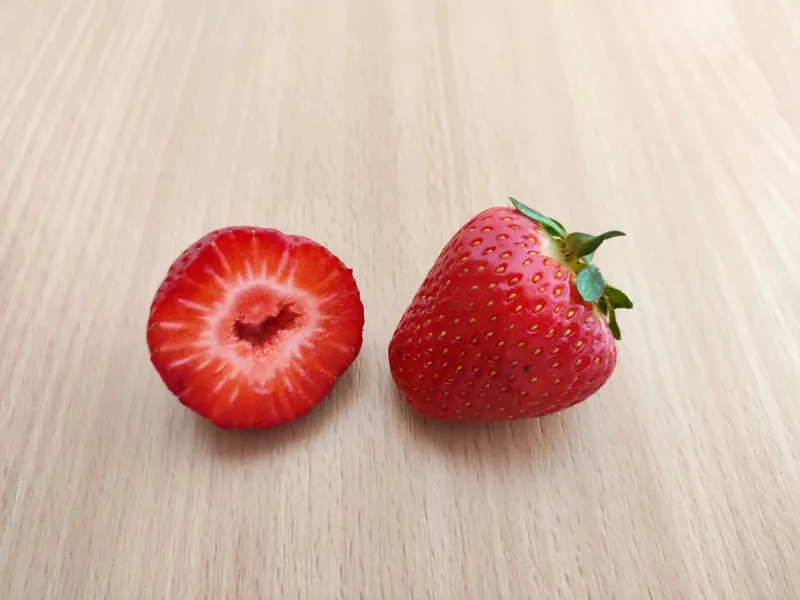
Late March through May, if you're in the South or on the West Coast, local strawberries start showing up at farmers markets. Halve a small berry, wrap it in a thin layer of anko, encase the whole thing in mochi, and you've made the classic. If red bean isn't your thing, white bean paste (shiro-an) is milder and lets the fruit shine. Raspberries work too, though they're juicy enough that you'll want to eat these over a plate, not your keyboard.
Summer: Peach Daifuku Deserves the Hype
Here's my controversial take: a ripe August peach, blanched, peeled, halved, and wrapped in mochi with a whisper of anko, might beat the strawberry version. The texture contrast — cool, dripping-soft fruit against chewy skin — is unreal. White peaches are ideal because they're floral and less acidic. Pro move: chill the assembled daifuku for 30 minutes before serving. It's basically a peach mochi ice cream situation.
Early Fall: Fig Season Is Short and Daifuku Knows It
Figs might be the most shun fruit available in America. Their season is a few chaotic weeks in September, and if you blink, you miss it. Halve a fresh Black Mission or Brown Turkey fig, add a tiny smear of anko or even a dab of honeyed mascarpone (a fusion move, but I'll defend it), and wrap. The seeds give a gentle crunch that plays beautifully against the soft mochi.
Late Fall: Pumpkin, But Make It Sweet
When the farmers market pivots to squash, pivot with it. Kuri daifuku — chestnut-filled mochi — is a Japanese autumn classic, and roasted kabocha or sugar pumpkin gets you 80% of the way there. Mash roasted pumpkin with a little sugar and a pinch of cinnamon, chill it, and use it as your filling. It tastes like a mochi-wrapped pumpkin pie, and I mean that as the highest possible compliment.
Winter: The Preserves Workaround
Fresh berries in January are expensive, mealy, or both. Enter the jam hack: take a good, chunky strawberry preserves — the kind with actual fruit pieces — chill it until it's thick and spoonable, and tuck a small mound of it into your mochi alongside a bit of anko. Is it a whole strawberry? No. Is it a genuinely delicious winter daifuku that tastes like a memory of June? Absolutely.
A Quick Word on Sourcing Shiratamako
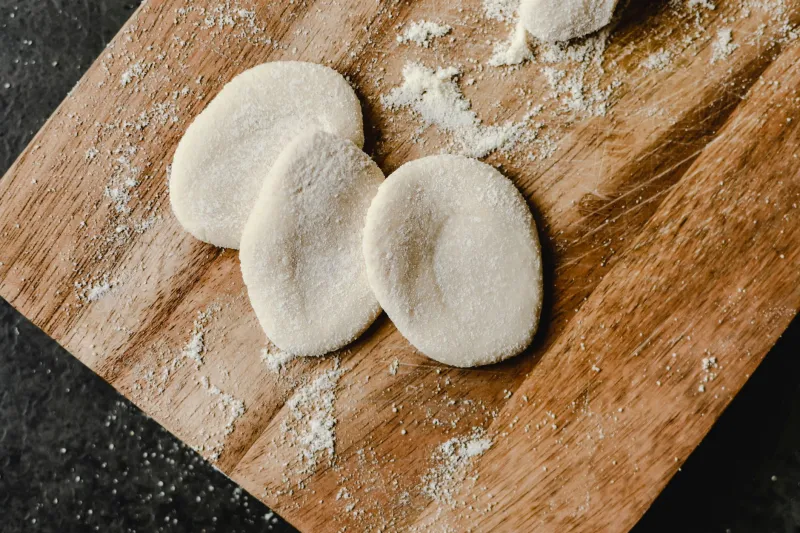
All of these fillings still need that mochi skin, and the flour matters. Shiratamako gives you the softest, most elastic result; mochiko (the Bob's Red Mill stuff, widely available at regular US grocery stores) works but yields a slightly denser dough. If you don't have a Japanese or Korean market nearby, both flours are easy to find online — shiratamako runs a few dollars more, but a bag makes dozens of daifuku. Keep it sealed and dry and it'll last months.
Why Bother With Seasons at All?
I get it — the whole point of modern grocery abundance is that you can have strawberries in December. But there's something quietly wonderful about a dessert that shows up, makes its case, and leaves. Waiting is part of the flavor. When you make peach daifuku in August, you're not just eating a sweet — you're marking time. That's the heart of shun, and it translates across the Pacific just fine.
So pick your season, find what's good at your market this week, and wrap it in mochi. The calendar is your recipe box.