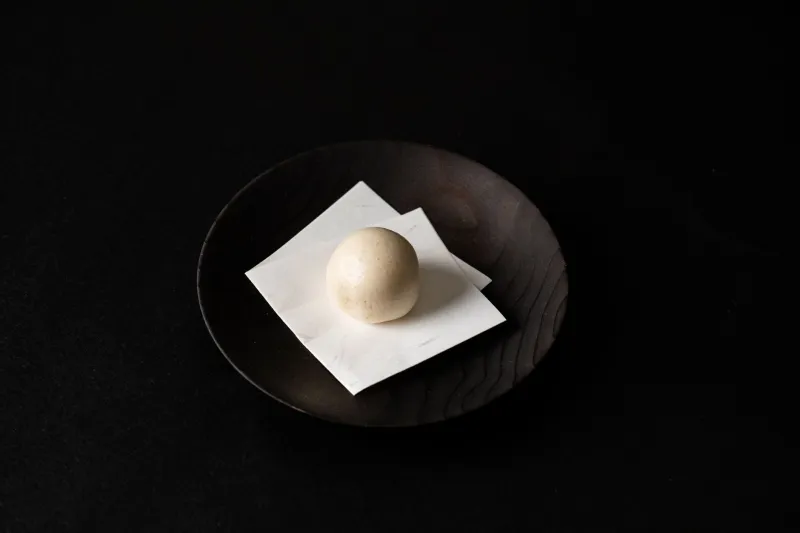
The Strawberry Daifuku Countdown: What Japan's Shortest Dessert Season Can Teach Us About Craving
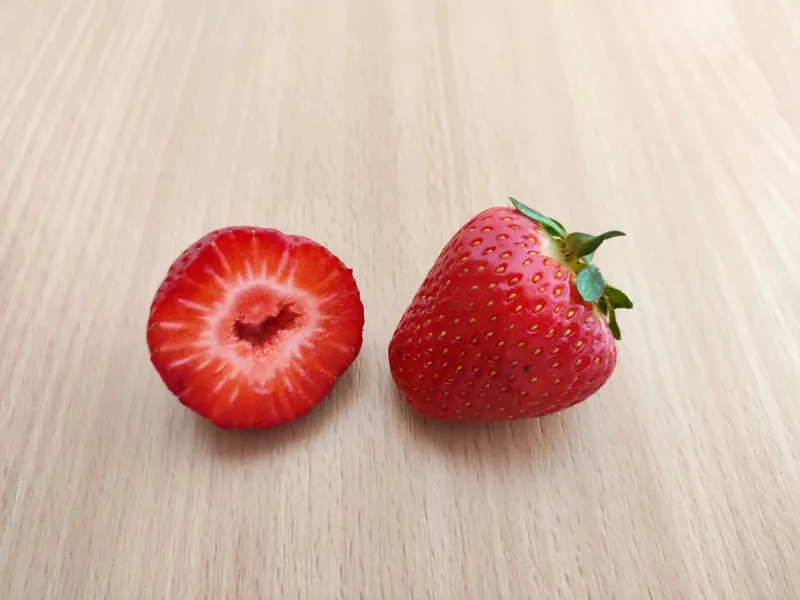
There's a moment in every American grocery store that would make a Japanese wagashi maker quietly weep: the strawberry section. Uniform, pale-red berries in January. Berries in July. Berries always, forever, regardless of what the calendar or the weather says.
And yet — the most coveted strawberry dessert in Japan exists for only a sliver of the year. Ichigo daifuku, that perfect orb of a whole strawberry and sweet bean paste wrapped in tender mochi, appears in shop windows in late winter, peaks in early spring, and then it's gone until next year.
If that sounds like a business mistake, you're missing the point. In Japan, it's the whole point.
What Is Shun, and Why Should You Care?
Shun (旬) is the Japanese concept of eating a food at its absolute seasonal peak — the week or two when an ingredient is at maximum flavor, maximum freshness, and, honestly, maximum joy. It's not just about taste, either. There's a cultural belief that eating foods in their shun connects you to the rhythm of the year, marks time, and keeps you present.
Japanese confectionery takes this seriously. Wagashi shops famously change their displays monthly — sometimes weekly — to reflect the season. Cherry blossom sweets in April. Chestnut in autumn. And when strawberries hit their stride in Japan (which runs roughly December through April, with peak season in spring), ichigo daifuku takes over the case.
Then, just as quickly, it steps aside for whatever comes next.
The American Way: All Desserts, All the Time
Contrast that with the US, where scarcity is basically a design flaw. Want pumpkin spice in March? There's a workaround. Craving a strawberry shortcake in November? The berries are right there under the fluorescents, flown in from three time zones away, tasting of absolutely nothing.
We've optimized for availability. And availability, it turns out, has a cost: when nothing is seasonal, nothing is special. A strawberry in December isn't a treat — it's just a strawberry, slightly worse than the one you had in June, which you also didn't appreciate because it was, well, available.
Japan's approach flips the script. By refusing to make ichigo daifuku year-round, confectioners make it matter. The first one you eat in February tastes like an event. The last one in April tastes like a farewell. That emotional arc — anticipation, peak, goodbye — is something no year-round product can replicate.
Why Scarcity Actually Makes Food Taste Better
There's real psychology here. Anticipation amplifies enjoyment — studies on delayed gratification and "peak experiences" back up what wagashi makers have known for centuries. When a treat is finite, you savor it. You plan for it. You tell your friends about it.
It's why we lose our minds over Girl Scout cookies and pumpkin spice latte season. We already have the instinct; Japan just honors it more gracefully.
Make Your Own (Before the Moment Passes)
Here's the beautiful thing: unlike a Kyoto shop that closes its strawberry window on schedule, your kitchen doesn't have to. But we'd encourage you to play along anyway. Make these when strawberries are actually good — springtime at a farmers market, ideally — and you'll understand shun in one bite.
Homemade Ichigo Daifuku
Makes 6
Ingredients:
- 6 small, fragrant strawberries (the smaller and more aromatic, the better)
- 100g sweetened red bean paste (anko) — store-bought is fine
- 100g shiratamako or mochiko flour
- 150g water
- 40g sugar
- Cornstarch or potato starch, for dusting
Instructions:
- Wash and hull the strawberries, then pat completely dry. Wrap each berry in a thin layer of anko (about 15g per berry), leaving the tip of the strawberry peeking out. Chill for 20 minutes.
- Whisk the flour, water, and sugar in a microwave-safe bowl until smooth. Cover loosely and microwave for 1 minute. Stir. Microwave another minute, stir again, then a final 30 seconds until the dough is thick, glossy, and translucent.
- Dust a surface generously with starch. Turn the hot mochi dough out (careful — it's sticky and scalding) and dust the top.
- Divide into 6 pieces. Flatten each into a circle about 3 inches wide.
- Place a strawberry, tip-down, in the center of each circle and pinch the mochi closed around it. Set seam-side down.
Eat them the day you make them — mochi waits for no one. Pair with hojicha, sit somewhere quiet, and notice how much better a strawberry tastes when you had to wait for it.
That's shun. That's the whole lesson, really.