Beyond the Red Bean: A Field Guide to Daifuku (and Where to Score Them Stateside)
If your only experience with daifuku came from the freezer aisle or a plastic tray at the end of a sushi dinner, we have good news: you've barely scratched the surface.
At its core, daifuku is simple — a soft, chewy mochi wrapper wrapped around a filling, usually sweet. But in Japan, that simple formula has been remixed for centuries. Different fillings, different wrappers, different seasons. Some versions are so regional you'd need a train ticket and a lucky day to find them.
The even better news? Most of them are easier to find in America than you'd think. Let's break down the big seven.
1. Anko Daifuku (The Classic)
This is the OG. A pillowy mochi shell wrapped around anko — a paste made from sweetened adzuki red beans. It sounds odd if you grew up on chocolate and vanilla, but anko is nutty, earthy, and deeply comforting, like the filling equivalent of a warm sweater.
Where to find it: Nearly any Japanese grocery carries it. Try Mitsuwa Marketplace (Illinois, New Jersey, California), H Mart (which also stocks Korean rice cakes worth a detour), or Tokyo Central in Southern California. Online, the Japanese grocery section of Weee! ships nationwide.
2. Ichigo Daifuku (The Showstopper)
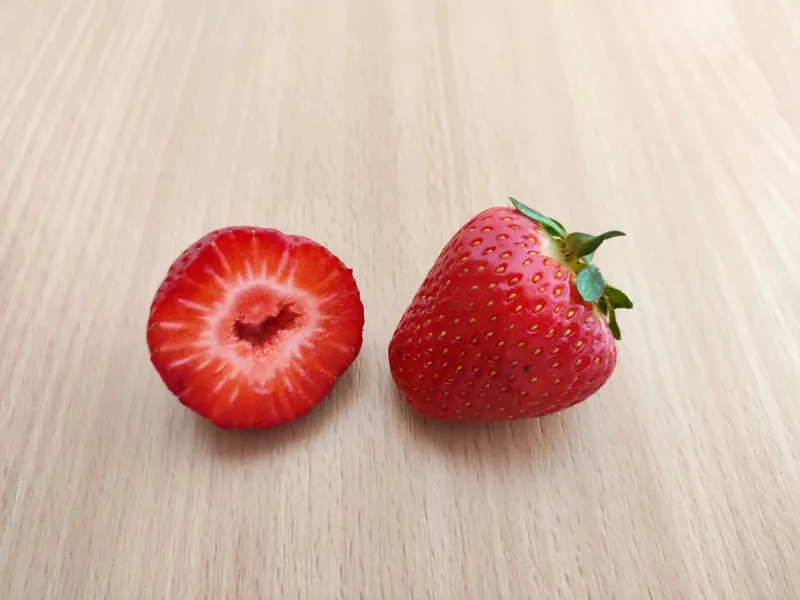
A whole strawberry, often blanketed in a layer of anko, then wrapped in mochi. It's springtime in Japan personified — juicy, tart, gorgeous. The contrast of cold fruit against chewy mochi is genuinely addictive. (We go deep on this one in a separate article, because it deserves its own spotlight.)
Where to find it: Specialty Japanese bakeries, like the counters inside Mitsuwa or Nijiya Market, stock them when strawberries are in season. Some boba shops and Asian bakeries in cities like LA, Seattle, and New York make their own versions year-round — worth seeking out, even if purists will tell you to wait for spring.
3. Mame Daifuku (The Texture Lover's Pick)
Mame means "bean," and here that means whole or lightly crushed adzuki beans folded into the anko filling, giving every bite a little pop and bite. Some versions mix whole beans directly into the mochi skin itself. It's the daifuku for people who find smooth pastes a little... boring.
Where to find it: Look for it at larger Japanese markets like Uwajimaya (Seattle and Portland) or order from online confectioners like Minamoto Kitchoan, which has outposts in New York, San Francisco, and other major cities.
4. Yomogi Daifuku (The Herbal One)
Made with yomogi — Japanese mugwort — kneaded into the mochi, giving it a distinctive grass-green color and a faintly herbal, almost minty-earthy flavor. It's an acquired taste for some, a beloved one for many. Think of it as the matcha's wilder cousin.
Where to find it: Seasonal at Japanese bakeries; also look for kusa mochi (the same mugwort mochi, often with red bean inside) at H Mart or online mochi sellers.
5. Shiro Daifuku (The Minimalist)
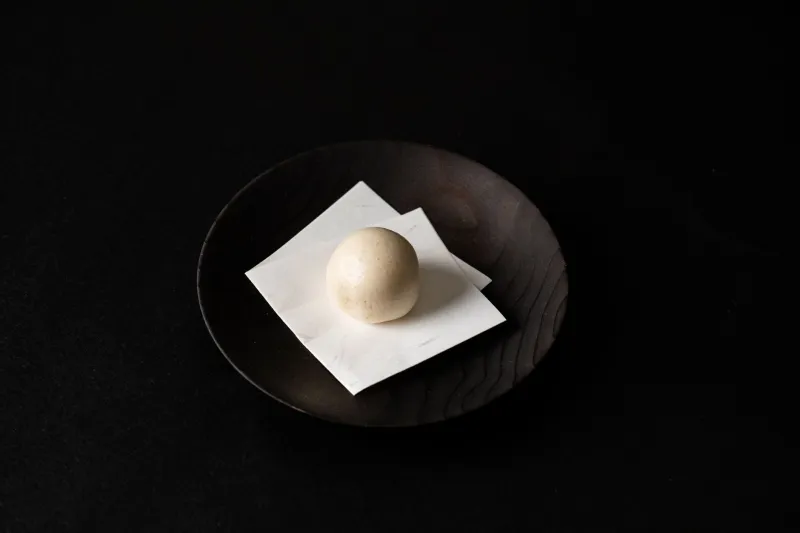
"White" daifuku — the mochi is dusted in a snowfall of cornstarch or potato starch instead of the usual flour, and the filling is often a delicate white bean paste (shiro-an). It's subtle, elegant, and the closest thing daifuku has to a little black dress.
Where to find it: Tea shops and wagashi specialists like Minamoto Kitchoan, or the refrigerated cases at Japanese markets — the packaging usually shows off that powdered-white look.
6. Matcha Daifuku (For the Green Tea Devoted)
Bitter, grassy matcha worked into the mochi or the filling (or both), balanced against sweet anko. If you already order matcha lattes, this is your gateway daifuku.
Where to find it: Extremely common at Asian groceries of all stripes — H Mart, 99 Ranch, Mitsuwa — plus countless matcha-focused cafes that now dot every major US city.
7. Daifuku with Ice Cream (The Modern Maverick)
Okay, purists, look away. The mochi-wrapped ice cream ball — popularized in the US by brands like Trader Joe's, My/Mochi, and Bubbies — isn't traditional daifuku, but it's how millions of Americans met mochi, and we're not mad about it. The chewy wrapper against cold, melty ice cream is a texture experience everyone should have at least once.
Where to find it: Everywhere. Truly. Trader Joe's, Costco, Target, your local grocery freezer. Start here if you're mochi-curious and work your way up.
A Few Tips Before You Dive In
- Eat them fresh. Traditional daifuku is best within a day or two of making — the mochi hardens over time. Refrigerated versions should come to room temp for 10–15 minutes before eating.
- Chew carefully. Mochi is sticky. Small bites, especially for kids.
- Pair with tea. A cup of hojicha or sencha cuts the sweetness beautifully.
Whether you start with the freezer-aisle ice cream version or track down a handmade yomogi daifuku from a bakery counter, the point is the same: this is one of the world's great chewy, sweet, humble treats — and there's a version out there with your name on it.