I Ate My Way Through the Freezer Aisle: An Honest Mochi Ice Cream Ranking
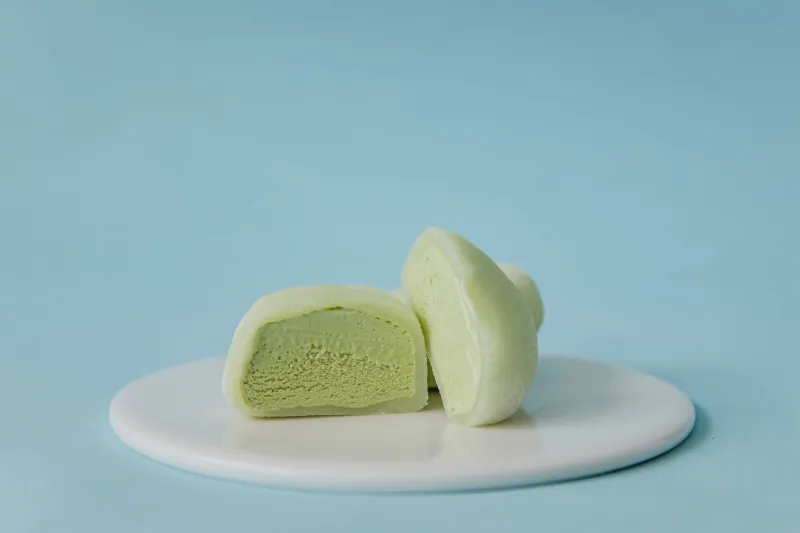
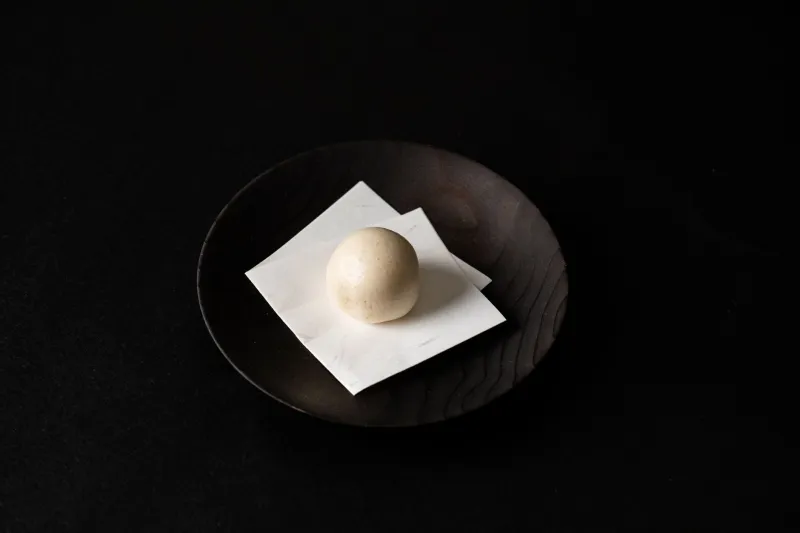
Let's address the elephant in the freezer case: mochi ice cream is not daifuku. Traditional daifuku is a room-temperature sweet — a tender, chewy wrapper around sweet bean paste or fruit, meant to be eaten within a day of being made. Mochi ice cream is a Hawaiian-American invention from the early 1990s that borrowed the wrapper and swapped the filling for a cold scoop. It's a remix, not a forgery.
And honestly? As a person who has strong opinions about wrapper integrity, I went into this taste test ready to be a grump about it. I came out... mostly won over. Here's how the big players stack up.
How I Scored Them
Three criteria, ten points each:
- Wrapper texture — Is it tender and chewy, or does it turn into a gummy hockey puck? Does it tear cleanly when you bite it?
- Filling generosity — Is there a proper ratio of ice cream to wrapper, or are you paying dessert prices for a bite of starch?
- Daifuku spirit — Does it honor the texture and craft of the original, or is the mochi just packaging?
Everything was thawed for exactly three minutes before tasting, because nobody — NOBODY — should bite into a frozen-solid mochi ball and blame the brand for their own impatience.
The Rankings
8. Trader Joe's Mochi Ice Cream (green tea and mango) — The widely available entry point, and it shows. The wrapper is pleasant but slightly thick and chewy in a way that fights back. The green tea filling is legit — bitter, balanced, real. The mango tastes like mango candy, which, depending on your mood, is either a feature or a bug. Wrapper: 7 | Filling: 7 | Spirit: 6. Total: 20/30.
7. Whole Foods 365 Mochi Bites — Respectable and inoffensive, like a coworker who brings in donuts. The wrapper is thin, which I appreciate, but it dries out fast and cracks at the seams. Flavors rotate; the vanilla is fine, the chocolate is better than it needs to be. Wrapper: 7 | Filling: 7 | Spirit: 7. Total: 21/30.
6. My/Mochi Classic Flavors — The brand that put mochi ice cream in every Walmart and 7-Eleven in America, and honestly, the accessibility deserves respect. The wrappers are consistently chewy — a little springier than traditional, closer to bubblegum territory, but never rubbery. The ice cream inside is standard supermarket-grade, which keeps it from climbing higher. Wrapper: 8 | Filling: 6 | Spirit: 7. Total: 21/30.
5. Bubbies (select retailers) — The Hawaiian lineage shows. Bubbies makes their mochi in small batches, and the wrapper has an actual snap to it — tender, slightly elastic, clearly made by people who care. The flavors lean playful (passion fruit, guava) rather than traditional. A bridge between the freezer case and the daifuku shop. Wrapper: 9 | Filling: 7 | Spirit: 7. Total: 23/30.
4. Mikawaya (specialty retailers) — The original American mochi ice cream company, founded by a family with roots in Los Angeles's Little Tokyo going back over a century. The wrapper is the star: thin, delicate, and clearly informed by real confectionery tradition. The fillings are classic and restrained. This is the one that tastes like it was made by someone's auntie. Wrapper: 9 | Filling: 8 | Spirit: 8. Total: 25/30.
3. Japanese-market brands (Yamazaki, Fujiya, and friends) — Head to your local Asian market's freezer and grab whatever's there. These are often imported or made by Japanese-American confectioners, and the difference is immediate: the wrapper is mochi, not mochi-flavored. Subtly sweet, properly chewy, sometimes dusted with a whisper of starch. Flavors like matcha and azuki (red bean!) nod toward the daifuku tradition. The catch: availability is a scavenger hunt, and quality varies by importer. Wrapper: 8 | Filling: 8 | Spirit: 9. Total: 25/30.
2. Trader Joe's Japanese-Import Mochi (when you can find it) — Yes, this is a cheat entry, because TJ's occasionally stocks imported Japanese mochi ice cream alongside their house version, and the gap is educational. The wrapper melts at the pace real daifuku does — slowly, politely — and the fillings are richer. If you see it, buy all of it. Wrapper: 9 | Filling: 9 | Spirit: 9. Total: 27/30.
1. Your local Japanese bakery's frozen case — Not technically a brand, but hear me out. Nearly every Japanese or Korean bakery in an American city sells house-made mochi ice cream, made that week, wrapped that morning. It beats every mass-produced option on texture and generosity, and it costs about the same. The freezer aisle is a convenience; the bakery counter is the real thing wearing a winter coat. Wrapper: 10 | Filling: 9 | Spirit: 10. Total: 29/30.
So: Gateway or Betrayal?
Here's my honest answer: mochi ice cream is a gateway, and a pretty good one.
The purist in me wants to grumble that freezer-case mochi teaches people the wrong texture — that chewy should come from rice flour and patience, not from a stabilizer and a blast chiller. But the realist in me knows that half the daifuku lovers I know started with a two-bite green tea mochi from a Trader Joe's freezer shelf, got curious, and ended up in an Asian market asking the person behind the counter what else they should try.
That's how food culture actually spreads in America. Not through gatekeeping — through freezer cases, grocery store endcaps, and the moment someone realizes that chewy can be a feature, not a bug.
So buy the mochi ice cream. Score it against this list. Then, when you're ready, come find us at the daifuku side of the fence. The bean paste is warm, the wrapper is fresh, and the luck is great.