Your Microwave Is a Mochi Machine: A No-Fear Daifuku Tutorial for American Kitchens
Somewhere along the way, daifuku picked up a reputation as one of those aspirational desserts — the kind people save for after they've bought a bamboo steamer, a kitchen scale, and a bag of flour with Japanese characters on it. I'm here to tell you that's nonsense. Daifuku might be the most forgiving impressive dessert you can make. It's four ingredients. One of them is water.
If you can make a mug cake, you can make daifuku. Let's do it.
What Daifuku Actually Is (and Why It's Easier Than It Looks)
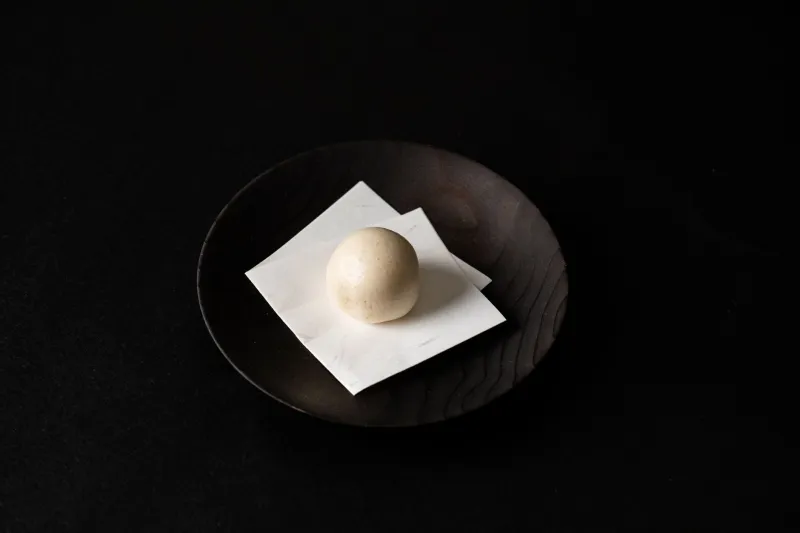
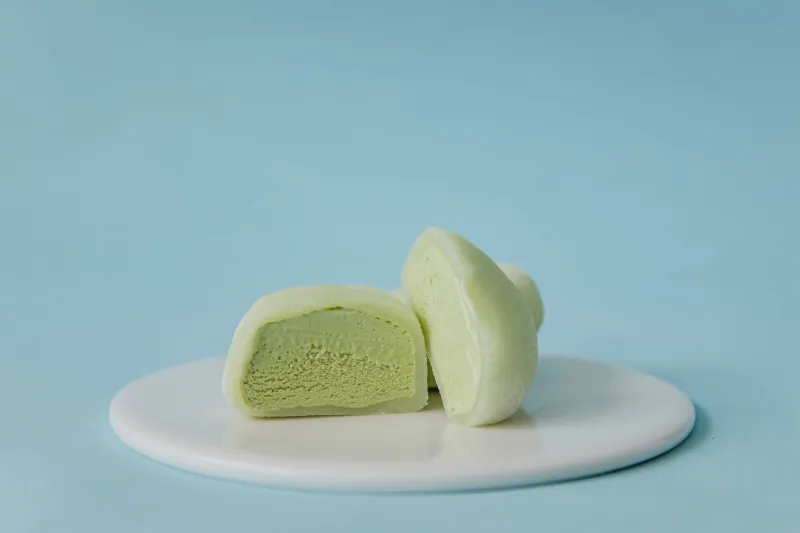
At its core, daifuku is a soft, chewy rice-flour wrapper stretched around a sweet filling — traditionally anko, the smooth red bean paste. The dough is just glutinous rice flour, sugar, and water, cooked until it becomes a pillowy, stretchy blob. Then you pinch it around a scoop of filling, dust it with starch so it doesn't glue itself to everything you own, and you're done.
The word daifuku literally means "great luck," which feels right for a dessert that requires zero baking, no eggs, and no oven. It's luck you can make in ten minutes.
The Flour Question: What's Actually in Your Cart
Here's where first-timers get tripped up, so let's clear it up once and for all:
- Glutinous rice flour (look for Mochiko brand — it's at basically every American grocery store now, usually in the Asian or baking aisle) is what you want. "Glutinous" sounds like it contains gluten; it doesn't. It just means sticky, which is the whole point.
- Regular rice flour will give you a crumbly, sandy disappointment. Skip it.
- Tapioca starch is the internet's favorite mochi hack. A spoonful mixed into your rice flour makes the wrapper stretchier and chewier — closer to the bouncy texture of bakery daifuku. It's optional, but if you can find it (Bob's Red Mill carries it everywhere), use it.
- Shiratamako is the fancy Japanese stuff that purists swear by. It's genuinely nicer, but it's also genuinely unnecessary for your first batch. Mochiko is your friend.
A good starting ratio: 1 cup glutinous rice flour, ¼ cup sugar, ¾ cup water, plus 1 tablespoon tapioca starch if you have it.
Microwave vs. Steaming: The Honest Comparison
Traditional recipes steam the dough, and yes, it produces a slightly silkier texture. But most of us don't steam things on a Tuesday night, and the microwave method is genuinely excellent — arguably better for beginners because it's faster and easier to read.
Microwave method: Whisk your flour, sugar, and water in a microwave-safe bowl until smooth. Cover loosely (it splatters with ambition) and microwave on high for 1 minute. Stir with a wet spatula. Microwave another minute, stir again, then finish with 30-second bursts until the dough turns translucent, thick, and glossy — usually 2 to 2.5 minutes total.
Steaming method: Same batter, poured into a heatproof dish, steamed over vigorously boiling water for about 20 minutes, stirring once halfway. The texture is a touch more refined. The effort is a touch more real. Your call.
Either way, the dough is done when it looks like translucent, stretchy taffy and no white, chalky spots remain.
The Filling: Real Anko and Its Honest Substitutes
Anko (sweetened red bean paste) is traditional, and it's easier to find than you think — most Asian markets and many Whole Foods locations carry canned versions, and Amazon will ship it to your door. Look for koshi-an (smooth) rather than tsubu-an (chunky) for easier wrapping.
No anko in reach? These substitutes work surprisingly well:
- Nutella — freeze small dollops on parchment first. This is the frozen strawberry daifuku energy your inner teenager deserves.
- Peanut butter mixed with a little honey — thick enough to scoop, nostalgic enough to convert skeptics.
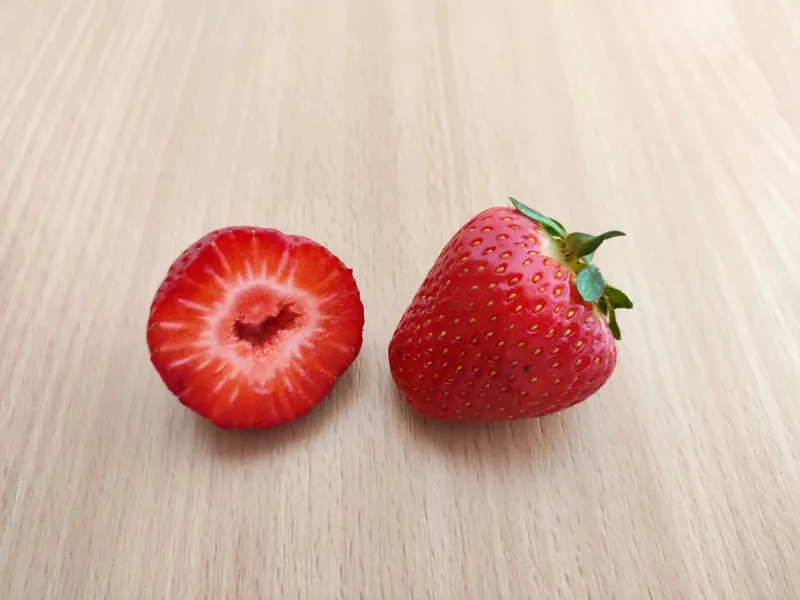
- A whole strawberry — hull it, dab it dry, and you've made ichigo daifuku. Peak winter citrus-season-adjacent joy.
- Sweetened cream cheese with a splash of vanilla — tastes like a bakery collab nobody asked for but everyone needs.
Whatever you choose, portion it into about 1-tablespoon balls and chill them first. Cold filling is dramatically easier to wrap.
Assembly: Working Fast and Dusting Generously
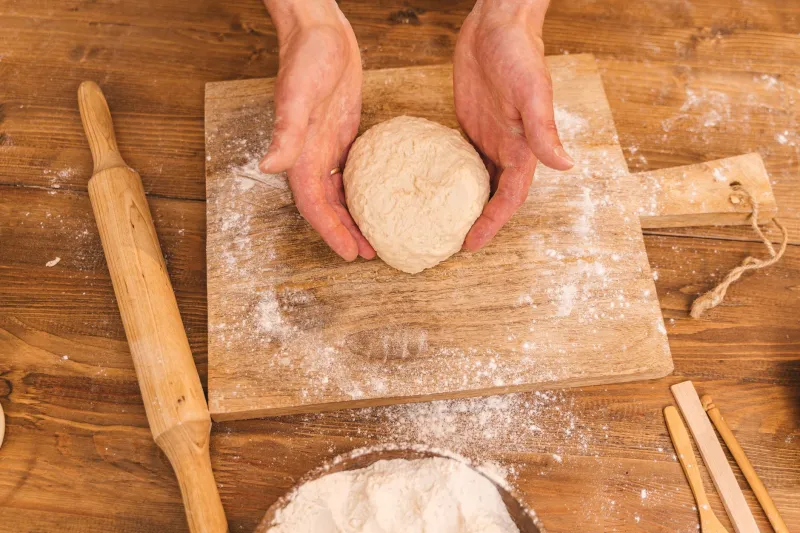
Dust a clean surface generously with potato starch or cornstarch (cornstarch is in every American pantry and works fine). Turn the hot dough out, dust the top, and let it cool until you can touch it — five minutes, no shame in scrolling your phone.
Pinch off pieces about the size of a golf ball, flatten into a 3-inch circle (thinner in the middle, slightly thicker at the edges — that's where you pinch it closed), drop in your filling, and pleat the wrapper up and around like you're making a tiny dumpling. Pinch to seal, place seam-side down, and dust off excess starch with a pastry brush.
Eat them the day you make them. Daifuku waits for no one — the wrapper starts firming up within 24 hours. (If you must store them, an airtight container with a dusting of starch buys you a day.)
Troubleshooting: The Five Classic First-Timer Failures
1. The dough welded itself to the bowl. You under-dusted. There is no such thing as too much starch on your surface — the excess brushes off. Next time, dust the bowl, the spatula, the surface, your hands, and your soul.
2. The wrapper split while wrapping. Your dough is too cool, or too thin in the middle. Work while it's still warm (slightly hot is fine if you wet your hands), and keep the center of your circle thinner than the edges.
3. The filling is leaking out the bottom. Your filling was too soft or too generous. Chill it harder, scoop it smaller, and make sure you're pinching the seam fully closed before setting it down.
4. The dough is chalky and stiff in spots. Undercooked. Give it another 30-second microwave burst and stir thoroughly — those white spots are raw flour, and they don't get better on their own.
5. Everything is a sticky disaster and you're considering takeout. Wet your hands and your spatula. Water is the anti-stick tool here, and it costs nothing. Reassess after rinsing your hands every third wrapper.
Your First Batch Won't Be Perfect. Make It Anyway.
Even my ugly ones — the lopsided, over-starched, seam-splitting ones — disappeared within an hour of being set on the counter. That's the quiet magic of daifuku: it's humble enough to forgive your first attempt and charming enough that nobody will notice the difference anyway.
Great luck, indeed.