Flour, Box, or Fridge Aisle: My Three-Way Daifuku Showdown
There comes a moment in every mochi lover's life when eating daifuku isn't enough. You want to make it. And then, about ten minutes into your first Google search, you hit the fork in the road: grind your own flour? Order a boxed mix? Or just grab a block of premade dough from the H Mart refrigerated case and call it a day?
I did all three. In one week. My kitchen looked like a powdered-sugar crime scene, and my family taste-tested until they begged for mercy. Here's the honest breakdown.
Method 1: The Full Traditional Route (Shiratamako From Scratch-ish)
Let's be clear up front: nobody in a US apartment is actually milling rice. "From scratch" here means starting with authentic shiratamako — a glutinous rice flour processed in a way that gives mochi that bouncy, almost elastic chew — and building the dough yourself.
What I used: Shiratamako from a Japanese grocer (about $8 for 300g), plus water, sugar, and a bag of sweetened red bean paste (anko) from the same store.
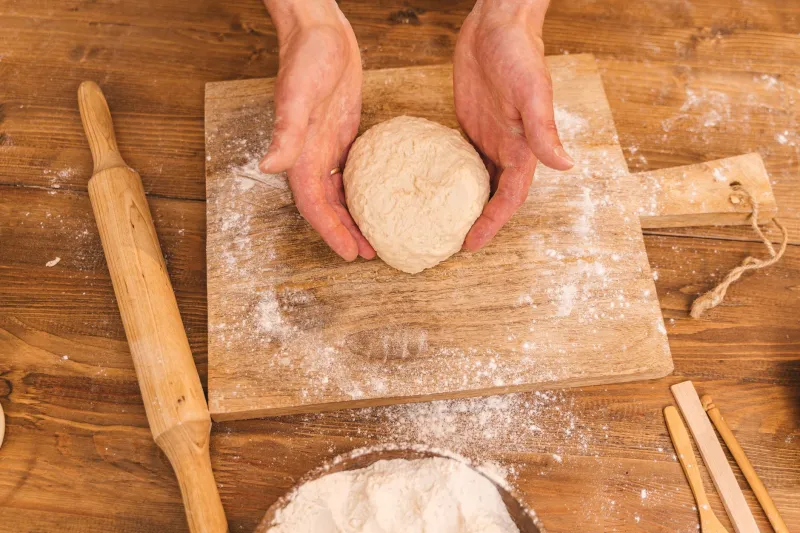
The process: Mix flour, sugar, and water into a slurry, microwave in 60-second bursts, stirring between each round, until the mixture turns translucent and stretchy. Then comes the fun part: dusting a surface with potato starch (cornstarch works in a pinch, but potato starch is the real deal) and portioning the hot dough into rounds.
Time: About 45 minutes, including filling and shaping. Cost per dozen: Roughly $1.10 each.
The verdict: This was, hands down, the best texture of the three. The mochi had that pillowy give — soft when you bite, then a slow, satisfying chew. It's also the most forgiving dough to work with once you get the hydration right. The downside? Shaping hot mochi is genuinely sticky business, and my first three attempts looked like tiny deflated ghosts. Worth it? Absolutely. Beginner-friendly? Not exactly.
Method 2: The Boxed Mix Detour
Amazon is littered with mochi-making kits promising "authentic Japanese sweets in minutes!" I ordered one of the most popular Japanese-brand mixes — the kind that just asks you to add water and microwave.
What I used: One boxed mochi mix (~$9), plus my own anko filling.
The process: Genuinely as easy as the box claims. Water, whisk, microwave, stir. The powder already contains sugar, so there's no balancing act.
Time: 20 minutes, start to finish. Cost per dozen: Around $1.30 each, once you factor in the mix and filling.
The verdict: Here's the thing — it worked. The mochi held together, rolled out fine, and looked respectable on a plate. But the texture leaned dense and slightly gummy, more like the mochi you'd find in a mass-produced ice cream ball than at a shop in Kyoto. The pre-added sugar also made it sweeter than I'd like against the mild anko. If your goal is a fun weeknight project with kids, or a low-stakes first attempt, this is a totally valid entry point. If you've already got a few batches under your belt, you'll notice what's missing.
Method 3: The H Mart Cheat Code
Now for the sleeper hit. Many Asian grocery chains — H Mart, 99 Ranch, and plenty of local Korean and Chinese markets — sell fresh mochi dough in the refrigerated section, often near the tteok (Korean rice cakes). It's usually plain, sometimes lightly sweetened, and it is begging to be filled.
What I used: One package of fresh mochi dough (~$4), anko, and a container of potato starch for dusting.
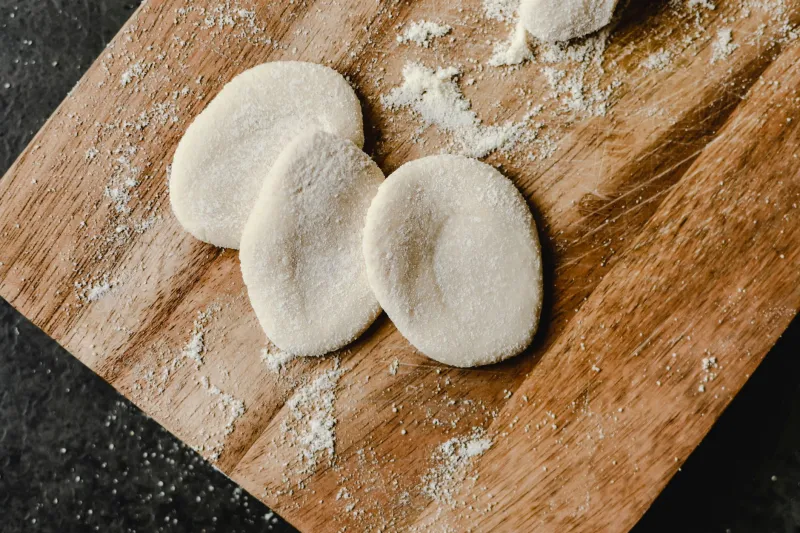
The process: Pinch off pieces, flatten into discs, fill, pinch closed, done. If the dough feels stiff, 10 seconds in the microwave softens it right up.
Time: 15 minutes, no microwave alchemy required. Cost per dozen: About $0.85 each — the cheapest of the bunch.
The verdict: Honestly? Shockingly good. The texture sat somewhere between homemade and boxed — soft, a touch less bouncy than my shiratamako batch, but miles better than the mix. And because you skip the cooking step entirely, this is the method I'd hand to a total beginner or a busy parent. The only catch: availability varies by store, and the dough's shelf life is short. Buy it the day you plan to use it.
So Which Should You Pick?
Here's how I'd frame it:
- You want the full experience and the best chew: Go the shiratamako route. There's a reason this is the traditional method, and the texture payoff is real.
- You want a fun, foolproof afternoon: The boxed mix won't let you down. Keep expectations calibrated — it's a gateway mochi, not a destination.
- You want daifuku tonight, with zero fuss: The grocery store dough is your friend. Nobody at the table will know you cheated, and your wallet will thank you.
A few universal tips that applied across all three methods: dust generously — more potato starch than feels reasonable — because sticky mochi waits for no one. Keep your filling portions small; overstuffing is the number one rookie mistake and leads to blowouts. And eat them the same day. Homemade daifuku doesn't have preservatives, and the texture is at its peak within hours.
My personal rotation now looks like this: shiratamako when I want to slow down on a Sunday, store-bought dough for weeknight cravings, and the boxed mix... well, the box is still in my pantry for emergencies. No judgment in the mochi kitchen. There's room for all three.