Muscle or Motor: I Made the Same Daifuku Batch Two Ways and Only One Made Me Sweat
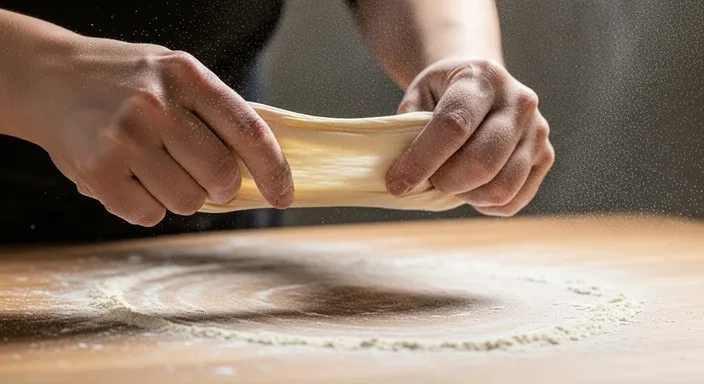
Photo: hands stretching mochi dough on wooden board kitchen, via images.stockcake.com
There's a moment in every mochi-maker's life when they stare at their stand mixer and wonder: am I cheating?
I hit that moment last month. My neighbor June — who learned to pound mochi from her grandmother in Hiroshima — had just spent forty minutes showing me the wrist-flick she uses to stretch shiratama dough. My shoulders ached just watching. Meanwhile, my KitchenAid sat on the counter, gleaming, patient, judging.
So I ran the experiment. Same recipe, same shiratamako, same anko filling, same rainy Saturday. One batch by hand. One batch by mixer. My family, bless them, ate the evidence without complaint.
Round One: The Hand Method (a.k.a. The Workout)
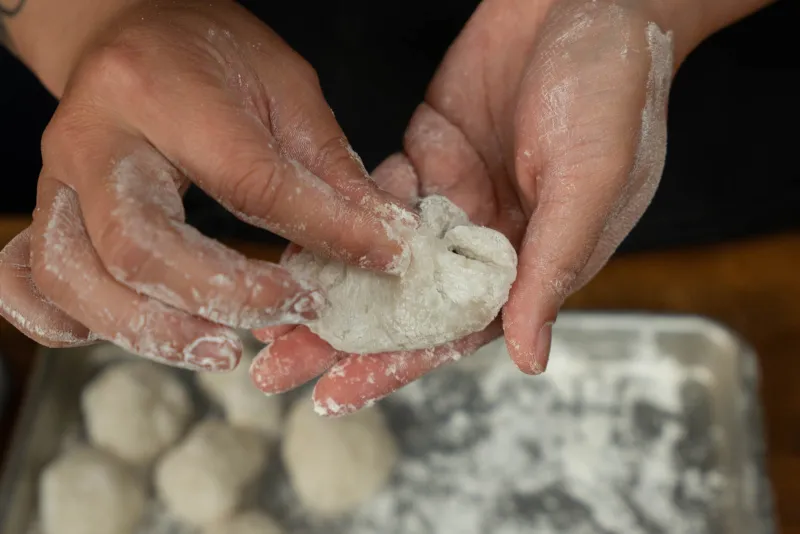
If you've never stretched mochi dough by hand, imagine kneading bread dough, but the dough fights back with the enthusiasm of a toddler avoiding bedtime. You fold, press, stretch, fold again. The dough starts lumpy and stubborn, then — somewhere around minute fifteen — transforms. It goes silky. It starts to stretch thin enough to read a recipe card through.
That transformation is the whole romance of hand-made mochi. You can feel the exact second the texture turns. No machine sensor will ever tell you that.
The downside? My forearms filed a formal complaint. And my first three attempts at wrapping the daifuku tore because I was too tired to be gentle.
Round Two: The Stand Mixer (a.k.a. The Gentleman's Route)
Here's what nobody tells beginners: the paddle attachment is shockingly good at this. Low speed, occasional scrapes down the bowl, and about ten minutes later you've got smooth, elastic dough — no sweat involved.
June watched me pull the mixer batch and gave it a raised eyebrow, then a nod. "The texture's fine," she admitted. "The machine doesn't have feelings, but the mochi doesn't know that."
The catch is consistency of attention, not outcome. Mixers don't know when to stop. Overwork the dough and it goes tight and bouncy instead of tender. With hands, you stop the moment it feels right. With a machine, you have to set a timer and trust it.
The Blind Taste Test
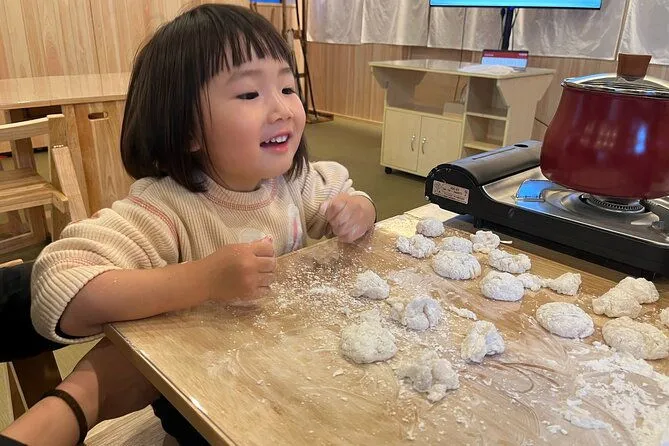
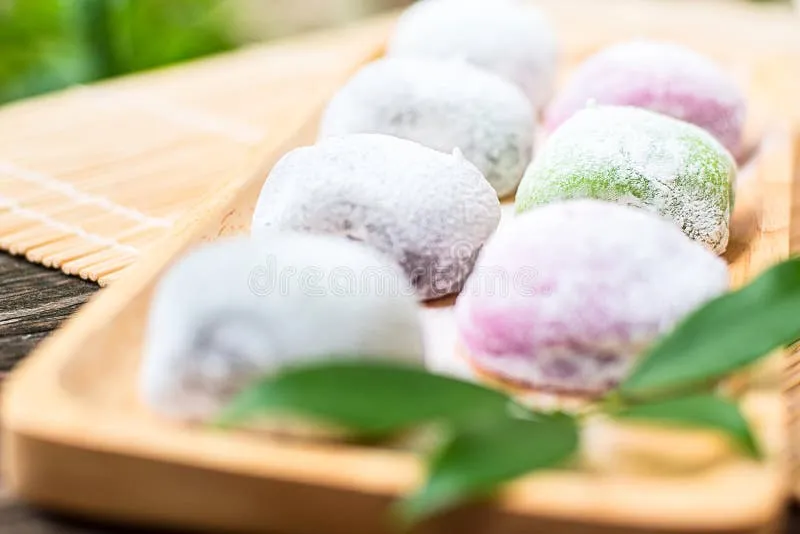
I shaped both batches into strawberry-stuffed daifuku and served them to my book club without labels (yes, the same book club that once turned my kitchen into a flour crime scene — they were happy to return).
Six of eight tasters picked the hand-made batch. The words used: "softer," "more delicate," "tastes like someone cared." But two people actively preferred the mixer batch, calling it "chewier in a good way."
Translation: the difference is real, but it's subtle. This isn't sourdough vs. sandwich bread. It's more like a hand-written card vs. a nice printed one. Both say the same thing. One just has your fingerprints on it.
So Which One Belongs in Your Kitchen?
My honest verdict: both, depending on the day.
- Weeknights, parties, big batches: Stand mixer, no shame. Daifuku made by machine is still daifuku, and your guests will demolish either version.
- Slow weekends, gifts, teaching your kids: Go by hand. The ritual is half the point, and the slightly imperfect, hand-stretched wrappers genuinely do melt differently.
June put it best as we cleaned up: "The old way isn't about being stubborn. It's about knowing what the dough should feel like. Once you know that, the machine is just a faster pair of hands."
Learn it by hand once. Then let the motor take over on Tuesdays. Your shoulders — and your book club — will thank you.