Twelve Scouts, One Sticky Mess: How Ichigo Daifuku Won Over the Kids' Table
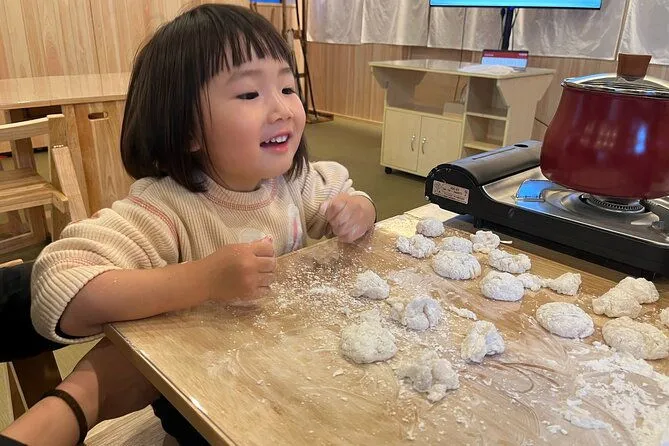
Photo: kids making mochi daifuku in kitchen classroom, via cdn.theabroadguide.com
When the troop leader at my niece's scout meeting asked if anyone had a fun food activity to share, I raised my hand before my brain could stop me. "Daifuku," I said. "Japanese mochi sweets. The kids can make them themselves."
She looked thrilled. I looked terrified. Small hands, hot sticky dough, and a thirty-minute activity window? What could possibly go wrong?
As it turns out, quite a lot — just not the things I expected.
Why Daifuku Actually Works for Kids
Here's what I didn't anticipate: daifuku is basically an edible craft project. Kids who can make slime can make mochi. The dough is stretchy, squishy, and deeply satisfying to poke, which means the fidget-factor does half your teaching for you.
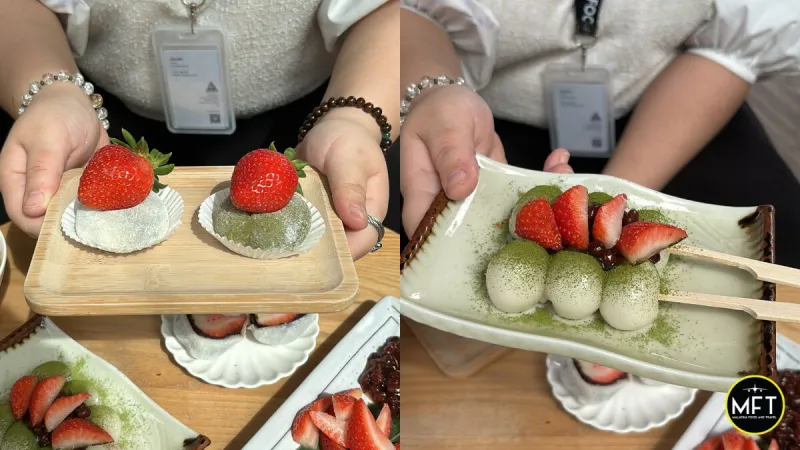
The classic version, ichigo daifuku, wraps a whole strawberry in sweet red bean paste, then cocoons the whole thing in soft mochi. It's a three-layer build that sounds complicated but is really just: wrap, wrap, wrap. A seven-year-old can follow that. A twelve-year-old can perfect it.
I tested the recipe twice at home before the big day, once with my niece (age 9) and once solo with a timer running. My niece's version was lumpy and beautiful. Mine was smooth and boring. Take note of which one the kids preferred.
The Kid-Tested Recipe
Makes 12 small daifuku.
- 1 cup shiratamako or mochiko (mochiko is at most US grocery stores in the Asian foods aisle — Koda Farms is the common brand)
- 1/4 cup sugar
- 3/4 cup water
- Cornstarch, for dusting (more on this below)
- 12 small strawberries, washed and dried
- One 13-oz can anko (sweet red bean paste), or substitute Nutella or seed butter
Steps:
- Whisk the mochiko, sugar, and water in a microwave-safe bowl until smooth.
- Microwave for 1 minute, stir, then 1 more minute, stir again, and a final 30 seconds. The dough should be translucent and thick like very thick taffy.
- Let it cool until it's touchable — about 10 minutes. This is the "clean up your station" window. Use it.
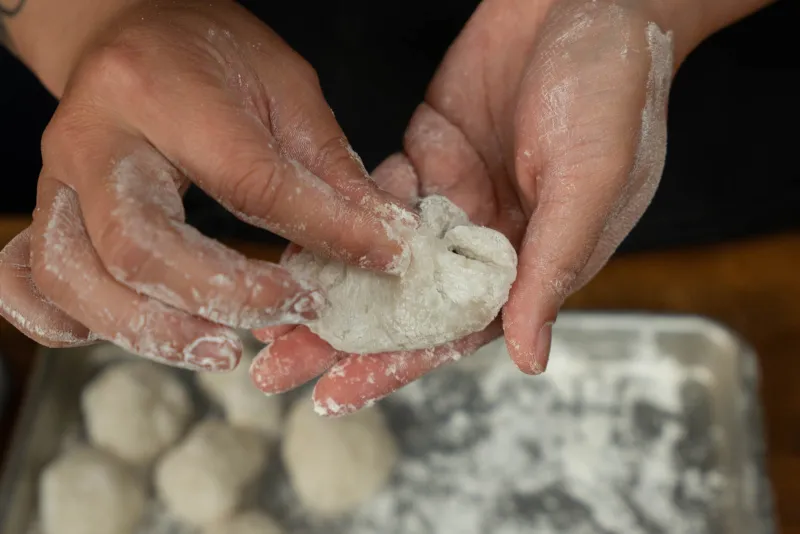
- Scoop a ping-pong-ball-sized blob of dough, dust your palms with cornstarch, and flatten it into a 3-inch circle. A small ramekin works as a mini rolling pin substitute.
- Top with a small spoonful of anko and one strawberry, pointy side down.
- Pull the edges up and pinch closed at the top. Twist off any excess dough and eat it immediately, as is scout law.
The Allergy Notes Every Parent Will Ask About
Mochi dough is naturally gluten-free (rice flour, not wheat) and dairy-free, which makes it an unusually friendly classroom treat. The sticking points:
- Anko: some brands are processed in facilities with nuts. Check labels, or offer sunflower seed butter as a swap.
- Cornstarch dusting: totally optional. Powdered sugar works, or skip it entirely for a stickier but safer bet.
- Choking hazard: for the youngest scouts, halve the strawberries and remind everyone to chew. Mochi is chewy — this is the whole point — but it deserves a gentle safety mention.
What Went Wrong (So It Doesn't Go Wrong for You)
The dough was too hot for the first ten minutes of the activity, so we did station setup while it cooled. The cornstarch migrated everywhere — faces, sleeves, the troop leader's clipboard. One scout ate the filling straight from the jar and had to be gently redirected.
Zero tears. Genuinely. The stretchiness of the dough absorbs frustration. When a wrap tore, we called it a "deconstructed daifuku" and moved on.
What the Kids Taught Me
I expected to be the teacher, but mostly I was the equipment manager. The kids didn't care about authenticity or technique. They cared that the dough felt like slime, that the strawberry was a surprise, and that they made something with their own hands that looked like the picture.
That's how a food tradition crosses generations and oceans — not through careful instruction, but through a kid pinching sticky dough, looking up, and asking, "Can I make another one?"
Yes. Yes, you can.