Break Room Diplomacy: A Survival Guide to Serving Daifuku at Your Office Potluck

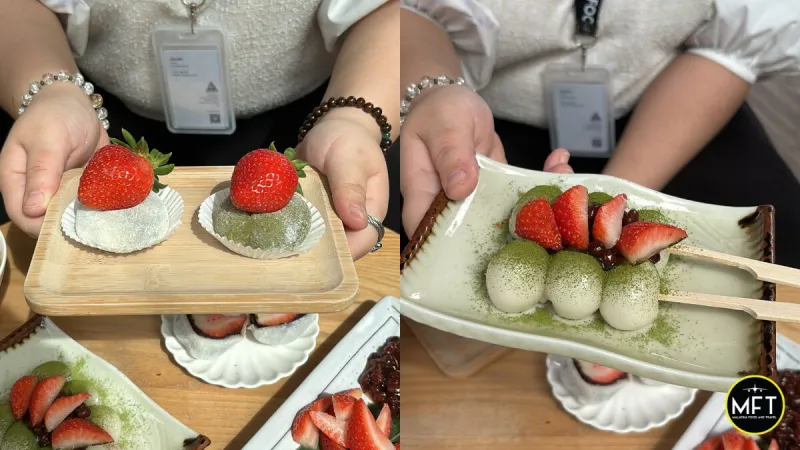
Photo: assorted Japanese daifuku mochi sweets on wooden platter office table, via thumbs.dreamstime.com
Somewhere between the seven-layer dip and the grocery store cookie tray sits an opportunity. If you've been quietly obsessed with daifuku — those pillowy mochi-wrapped sweets with sweet fillings tucked inside — you've probably fantasized about bringing them to the office potluck. And you've probably also imagined the moment someone squints at the platter and asks if it's raw dough.
Take a breath. Introducing daifuku to a room full of people whose mochi experience tops out at mango ice cream balls is not a gamble. It's a strategy. Here's how to pull it off without leftovers, panic, or a meeting with HR about the microwave.
Buy Smart, Don't Overreach
Your first potluck is not the time to attempt homemade mochi with a rice flour you panic-ordered online. If the dough fails, you'll be explaining a tray of sad lumps instead of winning hearts.
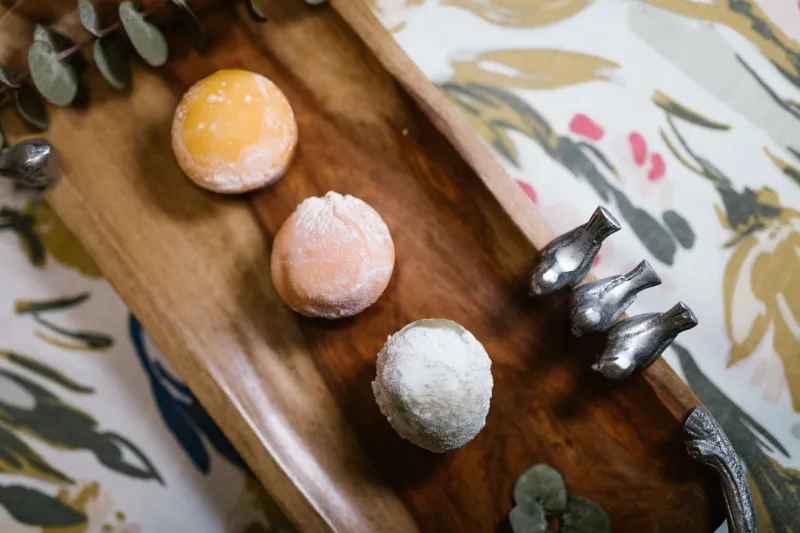
Go with store-bought. Asian grocery stores (H Mart, 99 Ranch, your local mom-and-pop) carry fresh daifuku in the bakery section, and many now stock shelf-stable versions too. Grab a mix: classic red bean for the purists, strawberry if it's in season, and something fun like matcha or peanut for the adventurous. Aim for two to three pieces per person — enough to be generous, not so much that you're hauling a garbage bag of extras home.
If you must make something, keep it simple. Microwave daifuku is genuinely foolproof (we've written a whole tutorial on that), and dusting them generously with cornstarch keeps them from fusing into one mega-mochi on the drive over.
Label Everything Like Your Reputation Depends on It
Here's the unglamorous truth: people eat what they trust. An unlabeled pink ball is a mystery. A labeled pink ball is a choice.
Make small tent cards or print simple labels with three things:
- The name: "Ichigo Daifuku (strawberry + sweet rice cake)"
- The filling: "Sweet red bean paste"
- The texture warning: "Chewy! Soft and stretchy, not cakey"
That last line matters more than you'd think. The number one reason first-timers bounce off daifuku is texture surprise, not flavor. Set the expectation and half your skeptics convert on the spot.
Handle the Allergy Talk Before Someone Else Does
Mochi is naturally gluten-free (sweet rice flour, not wheat), which is a genuine potluck superpower — but don't let that become your only talking point. Post a small ingredient card next to the platter listing everything: glutinous rice flour, filling, any dusting powder, and a note about your kitchen if homemade.
Two specifics to flag:
- Cornstarch or kinako dusting — kinako is roasted soybean, so note the soy for anyone avoiding it.
- Choking hazard — mochi is chewy, and there's real guidance around that, especially for kids and older folks. A small "chew thoroughly!" note feels fussy but is genuinely appreciated and a little charming.
The Script for "Wait, What IS This?"
You will be asked. Here's your answer, rehearsed and ready:
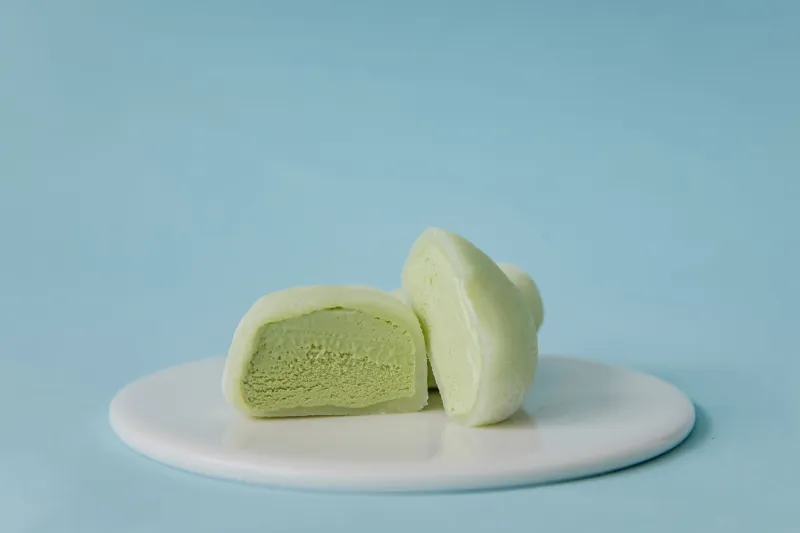
"It's daifuku — a Japanese sweet with a soft rice cake outside and sweet filling inside. This one's red bean paste. It's chewy, kind of like the mochi ice cream from the freezer aisle, but at room temp and with more going on. Start with a small bite."
That's it. Thirty seconds, one relatable reference (the mochi ice cream comparison does heavy lifting), and an invitation to try. Don't lecture about Edo-period confectionery history — save that for the person who comes back for seconds and then wants the lore.
If someone hesitates, offer the mildest option first. Red bean can read "bean-adjacent" to the wary, so consider leading with strawberry or a custard-filled version for the fence-sitters. Once they've had one good experience, the classic versions sell themselves.
Presentation: Low Effort, High Return
You don't need a tea ceremony. You need:
- A clean platter or wooden board (paper dusting powder on a white plate looks accidental; on wood, it looks intentional)
- Bite-sized pieces cut for the second half of the tray, since whole daifuku are a two-to-three-bite commitment
- Toothpicks or small napkins nearby — mochi is a hands-on food and people know it
- Everything at room temperature. Refrigerated mochi goes firm and loses the magic. Set it out twenty minutes before the potluck starts.
Why It Works
There's a reason the potluck is America's great culinary icebreaker: nobody remembers the store-bought rolls, but everyone remembers the thing they'd never tried and ended up loving. Daifuku is exactly that kind of dish — unfamiliar enough to spark conversation, sweet and approachable enough to win over the pickiest person in accounting.
And unlike the donut box, there's no sugar-crash regret attached. Just a chewy little ball of diplomacy, quietly doing its work between the deviled eggs and the brownies.
Go forth and potluck. Your break room will never be the same — in the best way.