Decode the Filling: A Shelf-Side Glossary for Your Next Asian Grocery Run
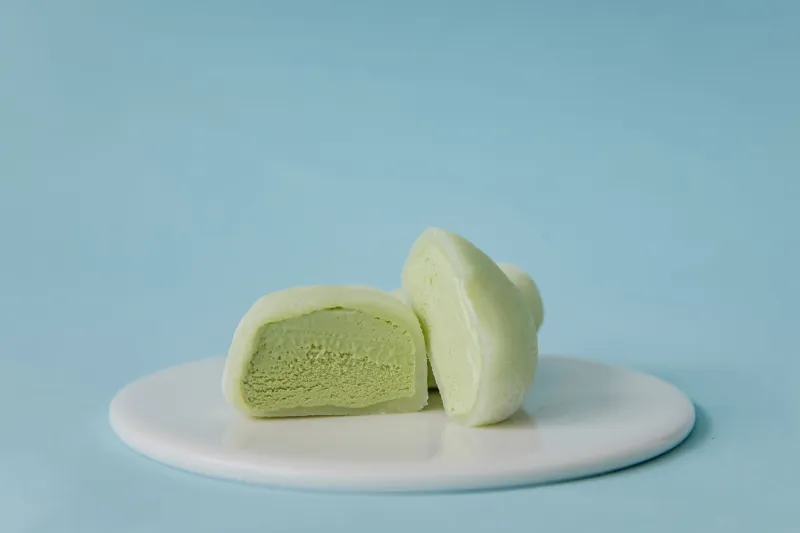
Picture this: you're standing in the refrigerated section of your local Asian grocery store — maybe it's an H Mart, a 99 Ranch, or that family-run spot two towns over with the hand-written sale signs. There's a wall of round, powdery, pillow-like packages. Daifuku. You've had one before. You think you liked it. But the labels? Total mystery.
That ends today. Let's crack the code on what's actually inside these chewy little clouds, one filling at a time.
First, the Word Itself
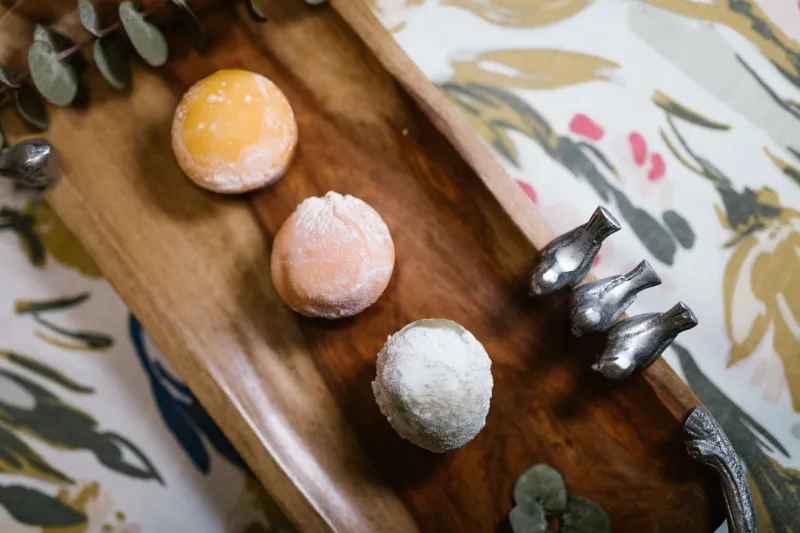
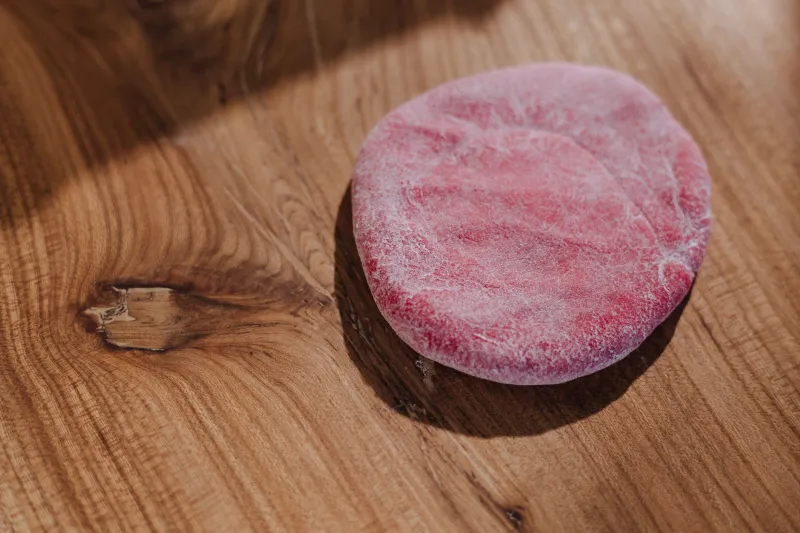
Daifuku (大福) literally means "great luck," which is honestly the best possible branding for a dessert. It's pronounced DIE-foo-koo — rhymes loosely with "hi, look who." The outer layer is made from glutinous rice flour pounded into a soft dough called mochi. Everything else — the part people get tangled up in — is the filling.
Anko: The Backbone of Everything
Most daifuku fillings are variations of an (also called anko, AHN-koh), a sweet paste made from adzuki beans. Yes, beans. No, they don't taste like baked beans. Think of adzuki as the chestnut's sweeter, more refined cousin — nutty, faintly earthy, and deeply comforting once your brain stops expecting vanilla.
Here's where the vocabulary branches:
- Tsubu an (tsu-BOO ahn) — "chunky bean paste." You can feel the individual beans, giving it a rustic, slightly loose texture. If you like texture in your desserts (think chunky peanut butter vs. smooth), start here.
- Koshi an (KOH-shee ahn) — the smooth, strained version. Silky and dense, closer to a firm chocolate ganache in behavior. This is the one that wins over most first-timers.
- Shiro an (SHEE-roh ahn) — "white anko," made from white lima-style beans instead of red ones. Milder, sweeter, often dyed pastel colors. It's the gentle gateway filling.
The Supporting Cast
Once you've got the anko family down, the rest of the menu gets easier:
- Kuri (KOO-ree) — chestnut. Kuri daifuku often swaps the bean paste for sweetened chestnut or tucks a whole candied chestnut inside. Autumn in a bite.
- Ichigo (ee-CHEE-go) — strawberry. A whole berry wrapped in anko and mochi. Seasonal, photogenic, and the reason daifuku went viral on this side of the Pacific.
- Matcha (MAH-chah) — green tea powder. Sometimes whipped into a cream filling, sometimes kneaded into the mochi itself. Bitter-sweet and grown-up.
- Mame (MAH-meh) — means "bean," but in daifuku context it usually means bits of red bean folded into the mochi skin, not the filling. A classic textural flex.
How to Read a Package in 10 Seconds
Scan for these clues: 求肥 (gyuhi) means a soft, stretchy mochi layer — good sign. 無添加 (mutenka) means no artificial additives. A photo of a cut-open daifuku is your best friend; if you see speckles, expect tsubu an; a smooth cross-section means koshi or shiro an. And if the English side just says "red bean," congratulations — you now know exactly what that means.
Your Printable Cheat Sheet
Copy this onto a note card or screenshot it before you shop:
DAIFUKU DECODER
- つぶあん tsubu an — chunky red bean (rustic texture)
- こしあん koshi an — smooth red bean (silky)
- しろあん shiro an — white bean paste (mild, sweet)
- 栗 kuri — chestnut (fall favorite)
- いちご ichigo — strawberry (spring)
- 抹茶 matcha — green tea (bitter-sweet)
- 豆 mame — beans in the skin, not the filling
Which One Should You Buy First?
My honest ranking for beginners: start with koshi an — it's the smooth-talker of the family. Second purchase: ichigo, because the berry-and-bean combo is the flavor that converts skeptics. Save the matcha cream for round three, once you trust the process.
One last tip: daifuku are best the day they're made, and the fridge turns the mochi firm. If yours has chilled out too long, ten seconds in the microwave brings the squish back. No judgment — we've all done it.
Happy decoding, and may your cart always be full of great luck.