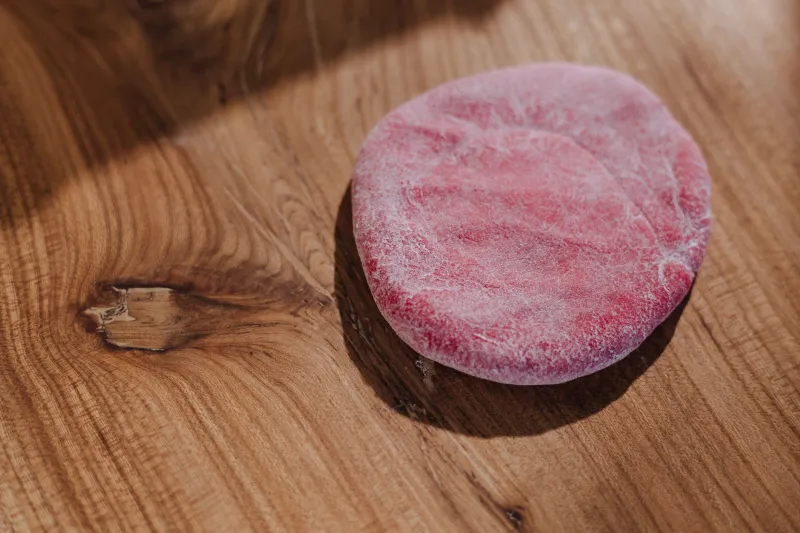
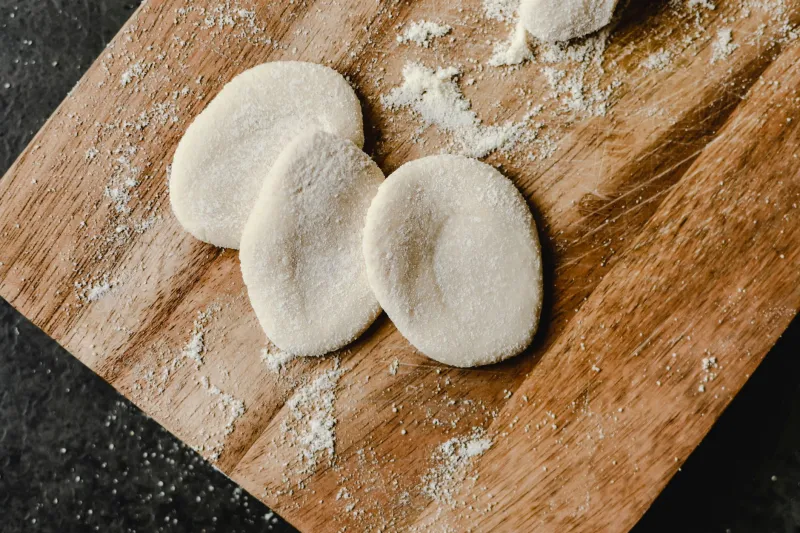
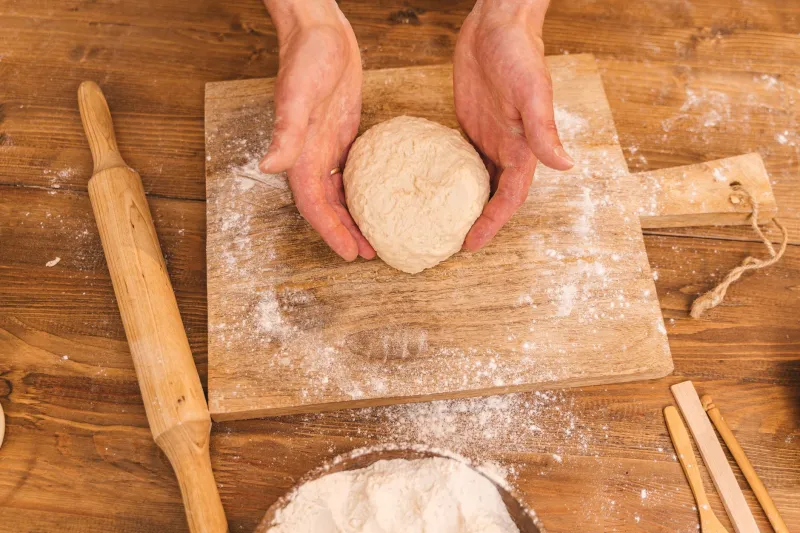
I Made a Week of Mochi on a Shoestring: The Daifuku & Shib Budget Experiment
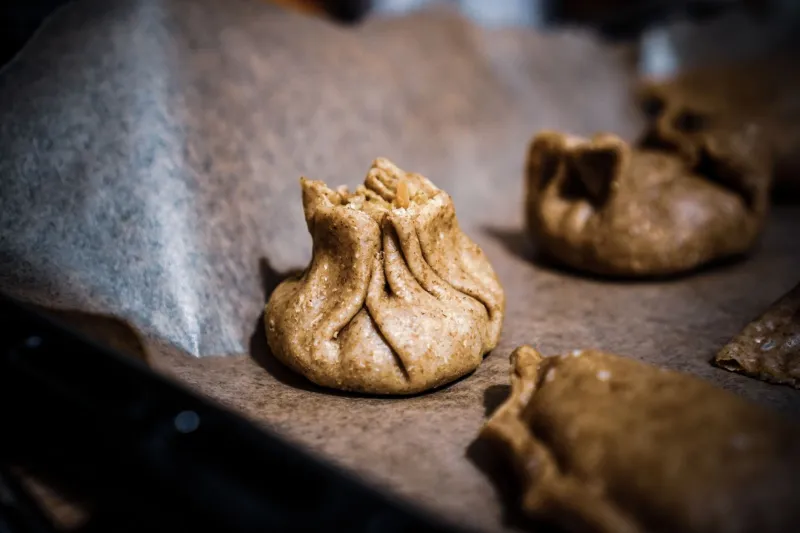
The Challenge I Set for Myself
Here at Daifuku & Shib, we get the same question in some form over and over: "I don't have a Japanese market near me. Can I even make daifuku?"
So I gave myself a rule that would make any frugal grandparent proud: one week of homemade mochi treats, using only mainstream US supermarkets — Walmart, Aldi, and Kroger — with a hard budget of $25. No specialty orders, no online shopping, no "just run to H Mart real quick."
Here's how it shook out.
The Shopping List: What I Actually Bought
Walmart ($11.42):
- Sweet/glutinous rice flour, 16 oz — $2.98
- Cornstarch (for dusting) — $1.24
- Creamy peanut butter — $1.98
- Marshmallow fluff — $2.22
- Strawberries, 1 lb — $3.00
Aldi ($6.87):
- Sweetened condensed milk — $1.65
- Semi-sweet chocolate chips — $1.89
- Butter — $2.89
- Bananas — $0.44
Kroger ($5.61):
- Red kidney beans, dried, 1 lb — $1.79
- Sugar — $2.12
- Whole milk — $1.70
Total: $23.90. Under budget, with $1.10 left for the vending machine victory snack.
The Substitution Game: Shiratamako Without the Specialty Aisle
Let's address the elephant in the mochi. Real shiratamako gives daifuku that bouncy, stretchy, melt-in-your-mouth quality. Mainstream stores don't carry it — but sweet rice flour (mochiko-style glutinous rice flour) is sitting in the baking aisle at basically every Walmart and Kroger in America, usually under the Bob's Red Mill or Koda Farms label.
Is it identical? No. Shiratamako is slightly more elastic and silky. But sweet rice flour gets you 85% of the way there, and once you're wrapping it around filling, the difference mostly disappears.
The dusting: Recipes call for katakuriko (potato starch). Cornstarch works fine. Toast it lightly in a dry pan for two minutes first — it loses the raw taste and gets closer to the real thing.
The anko (red bean paste): This was my big experiment. I simmered the dried kidney beans, drained them, simmered again with fresh water, then mashed with sugar and a knob of butter until it formed a thick, spreadable paste. Is it tsubuan? Not exactly — kidney beans are bigger and earthier than adzuki. But sweetened, buttered, and chilled, it made a genuinely tasty filling at roughly $0.18 per batch versus $4+ for a can of imported anko.
The Week in Mochi: What I Made
- Monday: Classic "budget daifuku" with the kidney bean paste
- Tuesday: Strawberry daifuku (the crowd-pleaser)
- Wednesday: Peanut butter-fluff daifuku — a Midwestern dream wrapped in mochi
- Thursday: Chocolate-banana daifuku using those Aldi bananas and chips
- Friday: Condensed milk mochi bites, essentially mochi fudge
- Saturday & Sunday: Everything left over, because a single batch makes 10-12 pieces and I am one person
The Cost Breakdown Per Dozen
Running the math on ingredients used:
- Classic red bean daifuku: ~$0.38 per piece / $4.56 per dozen
- Strawberry daifuku: ~$0.65 per piece / $7.80 per dozen
- PB-fluff daifuku: ~$0.42 per piece / $5.04 per dozen
For comparison: bakery or mail-order daifuku routinely runs $2.50-$3.50 per piece, and mochi ice cream from the freezer aisle costs about $1.25 each.
Even my most expensive batch — strawberry, with fresh fruit — came in at about a third of the bakery price.
The Verdict: Homemade Wins, With One Asterisk
The asterisk: time. This experiment cost me roughly three hours across the week, including the bean simmering. If your time is worth $30 an hour, the bakery starts looking reasonable.
But here's what the numbers can't capture: fresh daifuku is a different food than day-old daifuku. The mochi is softer, squishier, still breathing. Nothing you buy for $8 stays that way.
Final score: Budget beaten by $1.10. Six varieties made. Zero specialty stores visited. Homemade wins on cost, freshness, and the not-small pleasure of eating a warm strawberry daifuku you made yourself on a Tuesday.
If you've been waiting for permission to try — this is it. Grab a bag of sweet rice flour next grocery run. Your wallet and your taste buds can co-sign this one.