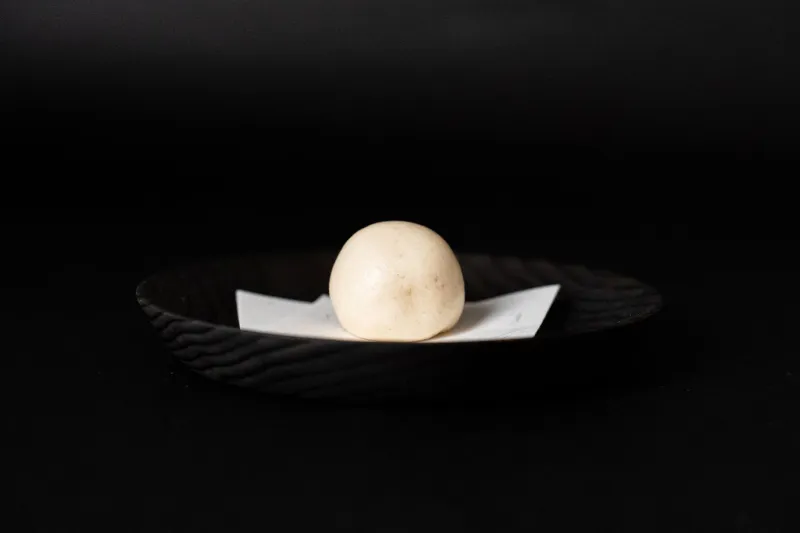
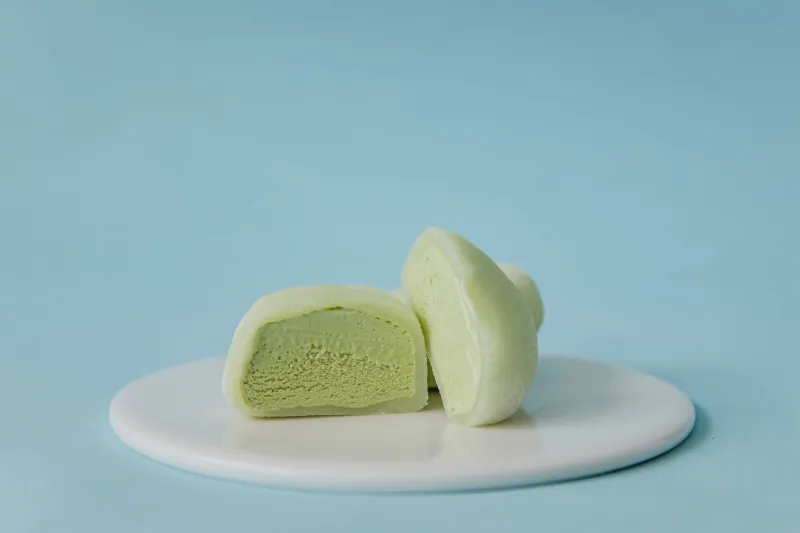
Pour, Steep, Sip: Building the Perfect Daifuku and Tea Afternoon
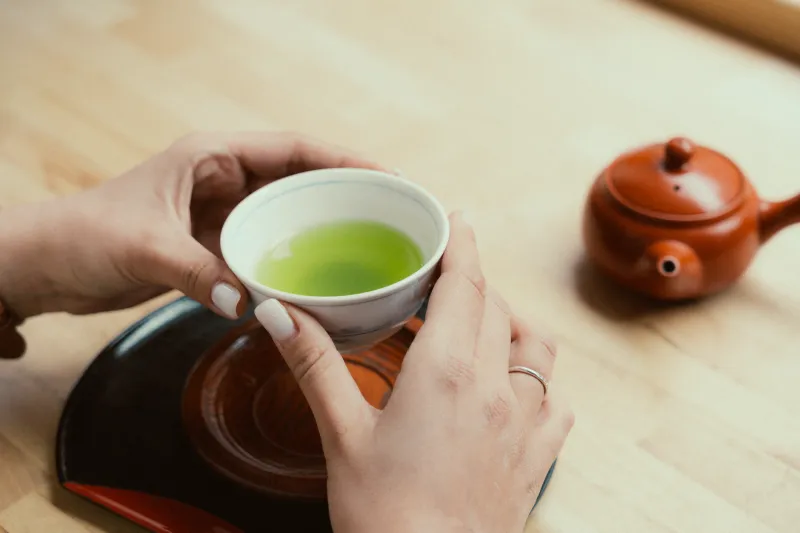
Somewhere along the way, American food culture decided that dessert is a solo, after-dark event — a pint on the couch, a cookie eaten over the sink. Japanese confectionery culture, or wagashi culture, offers a gentle correction: sweets are for sitting down, and they're almost always accompanied by tea.
The pairing isn't decorative. A slightly bitter green tea cuts through the sweetness of red bean paste. A toasty roasted tea echoes the warmth of the mochi itself. Once you experience a well-matched cup and daifuku together, the lone mochi in a takeout container starts to feel a little lonely.
The good news: you don't need a tea ceremony license or a trip to a specialty import shop. Everything below can be found at a well-stocked US grocery store or a five-minute online order.
Why Tea and Mochi Belong Together
Traditional wagashi were developed alongside the Japanese tea ceremony, where a bitter whisked matcha balanced the intense sweetness of confections served before it. That logic still holds. Daifuku fillings — sweet bean paste, sweet fruit — are rich and often sugar-forward. Tea does three jobs at once: it refreshes the palate, it adds aroma, and it slows the whole experience down.
Think of it like coffee and a croissant. Sure, you could eat the croissant alone. But why would you?
The Core Pairings
Classic Red Bean Daifuku × Genmaicha
This is the pairing that made us fall in love with the ritual in the first place. Genmaicha — green tea blended with roasted brown rice — has a nutty, popcorn-like warmth that mirrors the earthy sweetness of anko. It's low in caffeine, incredibly forgiving to brew (steep 2–3 minutes, don't stress), and widely available from brands like Yamamotoyama or any Japanese grocery's house label. If you buy one tea for this project, make it this one.
Ichigo (Strawberry) Daifuku × Sencha
When a whole strawberry is tucked inside that translucent skin, you want a tea with a bit more green, grassy brightness. Sencha, Japan's everyday steamed green tea, has a fresh vegetal snap that makes the fruit taste fruitier. Brew it cooler than you think — around 160–170°F — or it turns bitter and ruins the mood.
Yuzu or Citrus Daifuku × Earl Grey
Here's the bridge pairing for the Earl Grey loyalists. Bergamot, that floral-citrus note in Earl Grey, shakes hands beautifully with yuzu, the Japanese citrus that's equal parts lemon and mandarin. The black tea base gives enough body to stand up to the mochi's chew. It's a slightly unexpected match, and it's become our default Sunday afternoon.
Matcha Daifuku × Hojicha
When the mochi itself is the flavor — think matcha-infused skin or filling — reach for hojicha, the roasted green tea that's low on bitterness and high on cozy, campfire-ish notes. Roasted tea with green tea sweets sounds redundant, but in practice it's like pairing graham crackers with a latte: complementary warmth.
White Chocolate or Modern-Fusion Daifuku × Jasmine Green Tea
A lot of the daifuku you'll find in US freezer aisles and Asian bakeries lean modern — white chocolate fillings, mango, taro. Jasmine tea's perfume-y florals handles these sweeter, creamier iterations without competing. It's also the easiest tea on this list to find: even your local supermarket's international aisle probably stocks it.
Your Fridge-Door Pairing Chart
Screenshot this. Tape it inside a cabinet. We won't judge.
| Daifuku Variety | Your Tea | Brew Time | Why It Works |
|---|---|---|---|
| Classic red bean | Genmaicha | 2–3 min | Nutty roast meets earthy sweetness |
| Strawberry | Sencha | 1.5–2 min | Grassy snap lifts the fruit |
| Yuzu / citrus | Earl Grey | 3–4 min | Bergamot and yuzu, citrus cousins |
| Matcha | Hojicha | 2–3 min | Roasted warmth, zero bitterness clash |
| White chocolate / fusion | Jasmine green | 2–3 min | Florals handle rich, creamy fillings |
How to Set the Moment
You don't need tatami mats. You need twenty minutes and a small plate.
- Brew first, serve second. Let your tea cool slightly while the daifuku comes to a pleasant room temperature — straight-from-the-fridge mochi turns rubbery.
- Cut it, don't battle it. Daifuku is stretchy and sticky. A damp knife makes clean halves, and halves mean you can actually taste the filling.
- Sip between bites, not during. The tea is a palate reset. Let each bite finish its sentence.
- Two is plenty. This is a ritual, not a buffet. The whole point is that a small, beautiful thing eaten slowly beats a lot eaten fast.
The Bigger Picture
What we love most about this pairing tradition is how low the barrier to entry is. A box of daifuku from your local Asian grocery, a $6 tin of genmaicha, and an unhurried afternoon — that's the whole setup. No equipment, no technique anxiety, no exotic shopping trip.
In Japan, the phrase ichigo ichie describes each tea gathering as a moment that will never come again, so it deserves full attention. Your Tuesday afternoon with a strawberry daifuku and a cup of sencha counts too. Maybe especially so.