Three Price Tags, One Bite Test: My Family Weighed In on What Daifuku Should Actually Cost
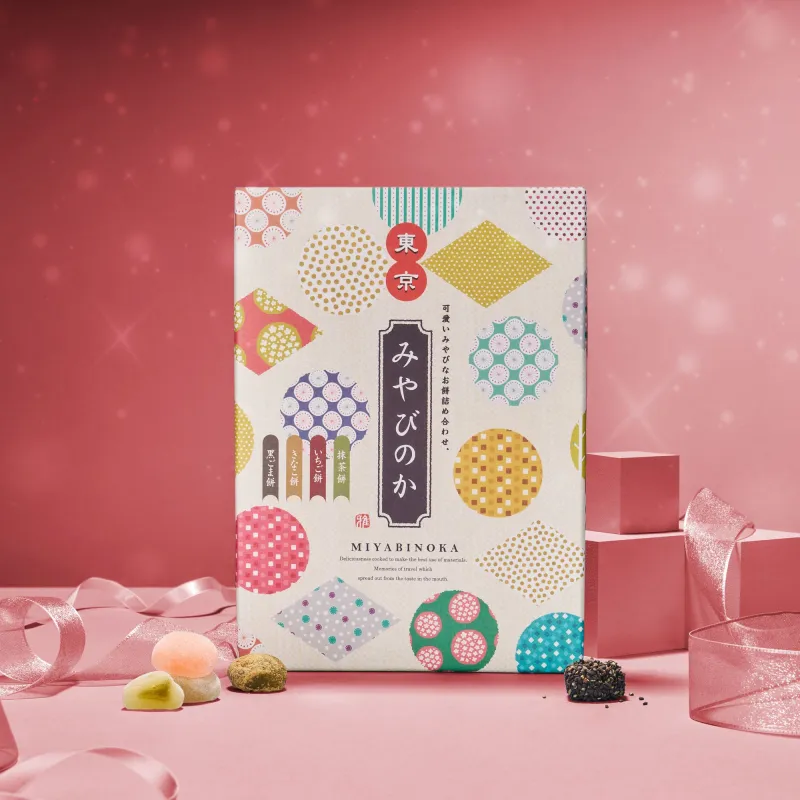
Photo: assorted daifuku mochi in gift box price comparison, via bokksuboutique.com
There's a bakery in my city — I won't name names, but you've probably seen the type — that sells six daifuku in a lacquered-looking box for $40. Forty dollars. For context, that's roughly the price of a nice dinner, spent on a dessert whose core ingredient is sweet rice flour that costs about a dollar a bag.
I've bought from that bakery. Twice. And each time, standing in the parking lot with my little ribboned box, I asked myself the same question: am I paying for mochi, or am I paying for the box?
So I ran an experiment. Not a scientific one — a family one, which is messier and more honest.
Setting Up the Showdown
Three daifuku, three price tiers:
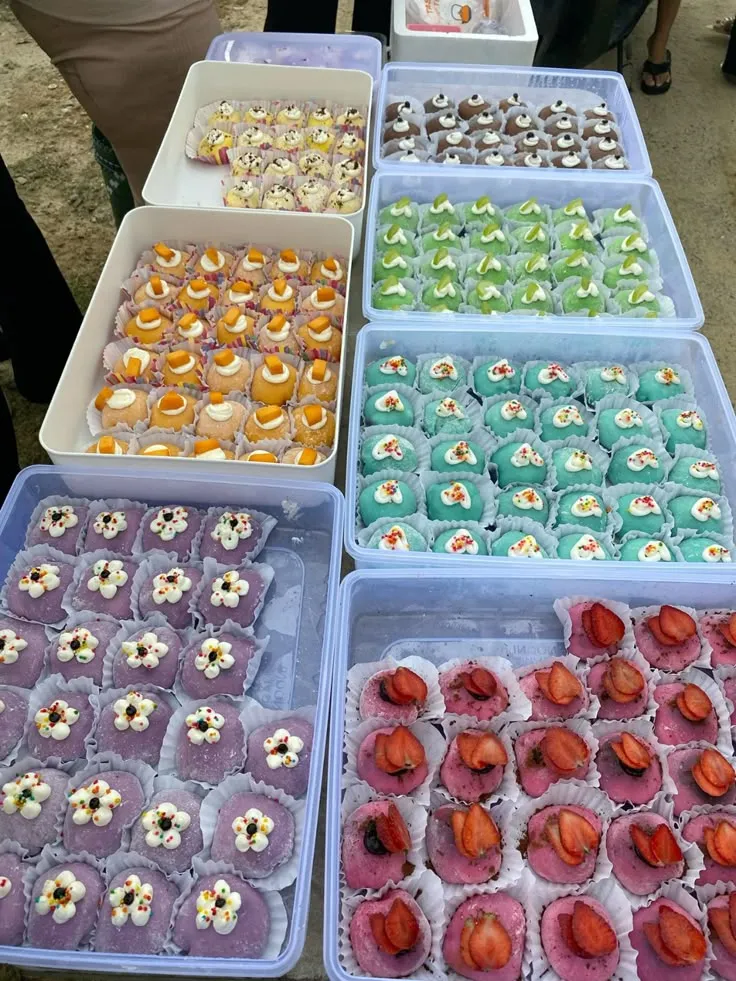
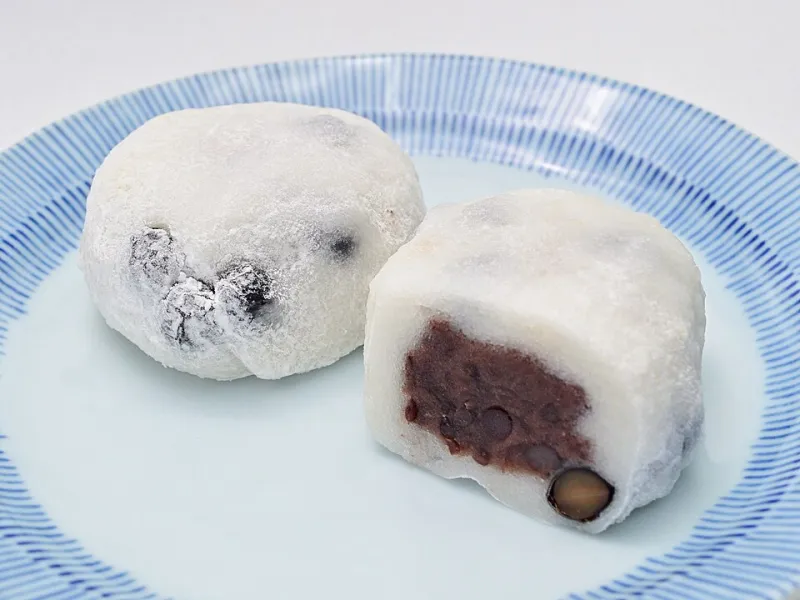
Tier one: Frozen daifuku from my local Asian grocery, about $2 each. Mass-produced, plastic tray, ingredient list I could actually read.
Tier two: A homemade batch from my own kitchen, made with my grandmother's technique (more on her in a second). Ingredient cost per piece: maybe 65 cents. Labor: significant. Emotional value: immeasurable, apparently.
Tier three: The $40 boutique box, six pieces, individually wrapped in wax paper with a handwritten label and a story card about the "small-batch artisan process."
I blind-tasted them with six people: my husband, my teenage nephew, two neighbors, my mom, and my mom's friend Carol, who has strong opinions about everything and was therefore essential to the study.
The Results Were Humbling
Everyone had to rank the three samples and guess which was which. Here's how it shook out.
The grocery store version got flagged immediately — but not for being bad. My nephew said it tasted "like, fine? Like candy from a gas station, but fine." Carol said the texture was "suspiciously consistent," which I found both harsh and accurate.
The homemade batch confused people. My mom, who watched me make it, somehow couldn't pick it out blind. One neighbor ranked it first and called it "rustic, in a good way." Another ranked it last because it was slightly misshapen — which, I gently reminded her, is what happens when a human makes food.
And the boutique daifuku? Three people ranked it first. Two of them specifically mentioned the wrapper. The wrapper! When I pushed, one admitted the filling was "maybe a touch smoother," and honestly, it was. Good filling. Genuinely good. But $6.50-a-piece good?
What Grandma Would Say
My grandmother made mochi for holidays on a folding table in her garage, using a hand-me-down wooden mallet and a Tupperware container older than I am. She never charged anyone. She never wrote a story card. If you showed up, you ate, and you left with a container you were legally required to return washed.
I thought about her a lot during this experiment, because the boutique box is, in its own way, selling what she gave away for free: the feeling that someone made this carefully, for you, and that eating it means something.
The difference is that the bakery has figured out how to put a price on that feeling. And honestly? From a business perspective, I respect it. From a grandma perspective, I'm skeptical.
So What Are We Actually Paying For?
Breaking down the $40 box, you're paying for:
- Ingredients: Maybe $6 total. Fillings were excellent — real fruit, quality bean paste.
- Labor: Real. Handmade mochi is genuinely hard work, and skilled hands deserve pay.
- Packaging and presentation: The wax paper, the box, the label. This is where the margin lives.
- Story: The word "artisan," the small-batch framing, the sense of occasion. Also a margin item, and a big one.
None of that is a scam. But it's worth being honest with ourselves that roughly half of what we're buying is theater. Delicious, well-produced theater.
My Verdict on When to Splurge
Here's where I've landed after the taste test and a week of thinking about it:
Buy the boutique box when the occasion is the point. A gift, a hostess present, a special anniversary. The packaging and story are doing real work there — the recipient feels the care. That's worth money.
Buy the grocery store version when you just want daifuku. The $2 freezer-aisle option is genuinely good, especially if you let it soften for ten minutes. My nephew, the harshest critic, ate three of them after the blind test ended.
Make your own when you have the time. This is the tier no price tag captures. My batch cost almost nothing and ranked second on flavor — but it ranked first in the only category that matters at family gatherings: everyone asked when I was making them again.
The mochi, it turns out, is roughly the same at every price point. What changes is everything wrapped around it.