Wrapped in Sweetness: Why American Couples Are Giving Mochi Favors at Weddings and Showers
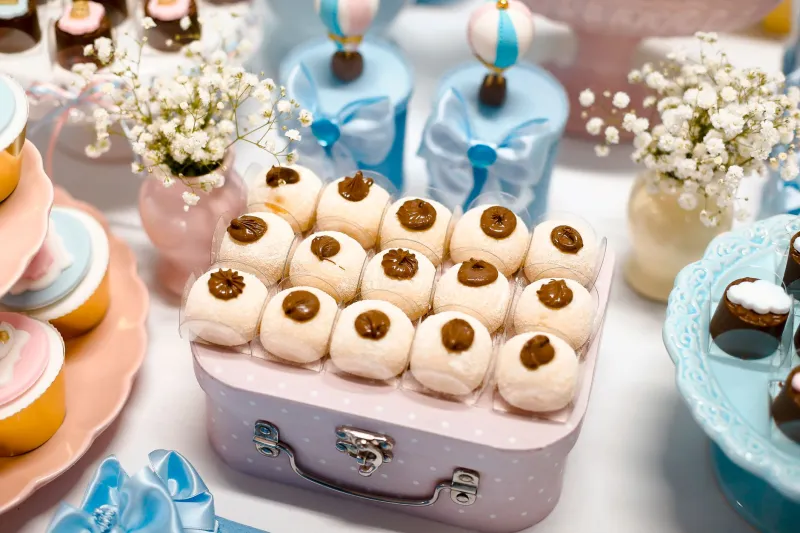
Somewhere between the succulent boom and the dried-flower era, wedding favors got weird. Monogrammed koozies. Tiny jars of honey that nobody opened. Candle tins that smelled like "autumn hayride."
And then, slowly, mochi started showing up.
At first it was a coastal thing — weddings in LA and the Bay Area where a tray of strawberry daifuku sat next to the guest book. But scroll through any wedding hashtag this spring and you'll spot them in Ohio, in Texas, in a backyard in Asheville: pastel boxes of pillowy rice cakes, tucked beside the place cards like a small, edible promise.
So how did a Japanese confection most Americans couldn't pronounce a decade ago become the sweetest party gift in the country? We asked around.
The Favor That Doesn't End Up in a Drawer
"People are tired of favors that feel like landfill," says Melissa Trang, a home baker in Sacramento who's built a side business almost entirely on celebration boxes. "Nobody wants another bottle opener. But mochi? People eat it at the party or fight over the extras on the way out. That's the dream favor."
She's onto something. The math of modern favor-giving favors (pun intended) anything edible, single-serve, and photogenic. Daifuku checks every box:
- It's naturally portioned. One mochi, one guest. No cutting, no plating.
- It photographs beautifully. That soft, matte mochi skin in blush or matcha green does half your decor work for you.
- It travels the flavor spectrum. Classic red bean for the traditionalists, mango or ube for the adventurous cousins, mochi ice cream if you've got a freezer situation sorted.
- It reads as thoughtful, not lazy. There's a story behind it, and guests can tell.
There's also a quieter cultural current at work. Mochi has deep roots in Japanese celebrations — New Year's, weddings, births — where sweets mark life's turning points. Couples aren't just borrowing a treat; they're borrowing a tradition of marking big days with something soft and sweet.
What the Bakers Say
We called a handful of mochi makers who do wedding and event orders to hear how this actually goes down.
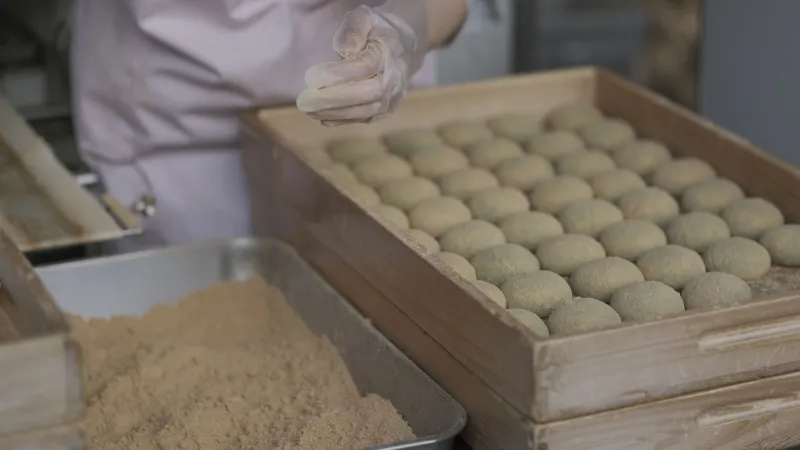
Timing is everything. Daifuku is best within a day or two of making, so most bakers deliver the morning of the event. "I tell couples: build pickup into your timeline, not shipping," says Trang. If the venue is more than a few hours away, she recommends mochi ice cream or baked mochi-style cookies instead — sturdier, freezer-friendlier.
Summer is the enemy. Fresh daifuku and a July tented reception don't mix. Several bakers offer insulated sleeves or suggest favor boxes placed at each seat indoors rather than on a welcome table in the sun.
Allergen cards are a must. Mochi contains rice flour and often dairy or soy depending on the filling. Print a small card. Guests appreciate it, and venues increasingly require it.
Order more than the headcount. "There's always a table that never got theirs," one baker told us. Budget for 10% extra.
Shipping Without the Squish
If your celebration is a shower or long-distance party — say, family scattered across the country — mailing mochi is doable with a few tricks:
- Choose firm-filling flavors. Red bean and kinako-hold up far better than custard or fresh fruit.
- Dust generously with starch so the skins don't stick to wrappers in transit.
- Wrap each piece in a fluted paper cup, then nest in a rigid box. Movement is what ruins mochi, not distance.
- Ship Priority with a cold pack if anything's perishable, and always ship early in the week so nothing sits over a weekend.
The Under-$3 DIY Favor Box
Want to try it yourself for a shower or engagement party? Here's the exact breakdown from our test run — twelve boxes, total spend under $32.
The recipe: One batch of basic daifuku (mochiko, sugar, water, cornstarch for dusting) makes about 12 pieces. Two batches covers 24 guests comfortably. Filling: store-bought red bean paste for half, and for the rest, a shortcut we love — a small square of good chocolate or a dollop of nutella rolled with a little powdered sugar. Total ingredient cost: roughly $14.
The packaging:
- Kraft or pastel mini boxes (3x3x3), bulk online: about $0.60 each
- Fluted paper cups: about $0.10 each
- A strip of washi tape and a printed label: pennies
Per guest, you're at roughly $2.70 — under that magic $3 mark — and the boxes look far more expensive than they are. Add a two-line tag with the flavor and a thank-you, and you've got a favor people will actually eat, photograph, and remember.
A few honest caveats: make the mochi the day before at most, keep the boxes out of direct sun, and do a test box first. Mochi skins are forgiving, but a batch of stuck-together favors the night before a shower is nobody's idea of fun.
A Sweet Idea Worth Borrowing
There's something fitting about it all. Mochi has always been celebration food in Japan — pounded, shaped, and shared at the moments that matter. American parties are just catching up to what the tradition always knew: the best favors aren't keepsakes. They're the ones that disappear, happily, before the night's over.
So the next time you get an invite and a little box of soft pink mochi at your seat, take it as a compliment. Someone decided you deserved the good stuff.