Kinako, Cornstarch, or Nothing: I Blind-Tested Every Daifuku Dusting So You Don't Have To
Here's a confession that will get me quietly disinvited from every mochi-making session in my neighborhood: for my first two years of making daifuku, I thought the powder was optional.
I know. I know. I treated the shib — that soft dusting that keeps the mochi from welding itself to your fingers, your cutting board, and your soul — like a technicality. A lint roller for sweets. Then a friend's Japanese grandmother watched me plate a batch of ichigo daifuku bare-faced and bare-powdered, looked at me with genuine pity, and asked, in the gentlest possible way, why I'd skipped the best part.
The best part? The powder? That sent me down a rabbit hole that ended, naturally, in a blind taste test involving five coatings, six friends, and a Tuesday night. Here's how it shook out.
Wait, What Exactly Is the Powder?
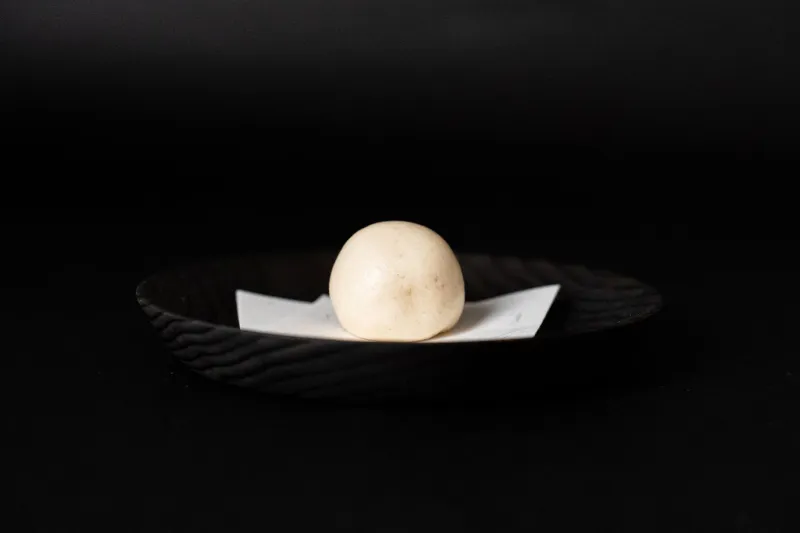
Quick primer for the newcomers (welcome, we have snacks): daifuku is a soft mochi wrapper wrapped around a filling, traditionally sweet red bean paste. Because mochi is essentially edible glue when warm, you dust the outside with something to keep it handleable. In Japan, that something is usually kinako — roasted soybean flour — or sometimes cornstarch or katakuriko (potato starch).
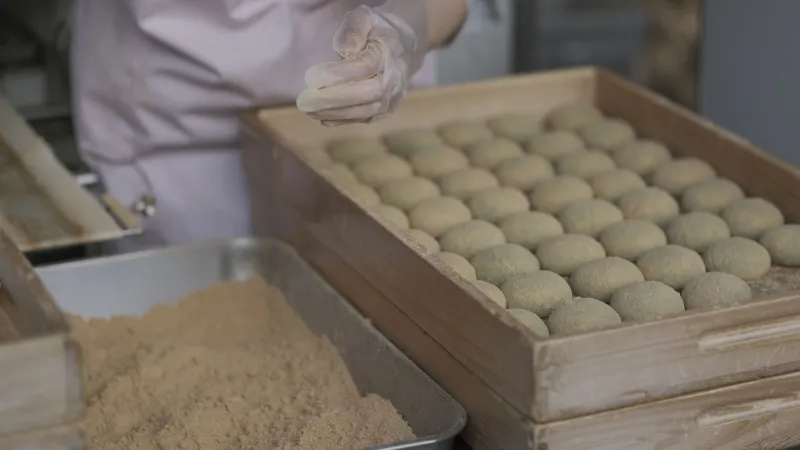
But here's the thing the name doesn't tell you: kinako isn't just a non-stick agent. It's toasted, nutty, faintly sweet, and tastes like the love child of peanut butter and graham crackers. Calling it "dusting" is like calling bacon "a breakfast garnish."
The Contenders
For the taste test, I made one big batch of plain tsubu-an (red bean) daifuku and divided it into five camps:
- Kinako (roasted soybean flour, the classic)
- Cornstarch (the American pantry default)
- Cornstarch, toasted (because a reader swore by this)
- Powdered sugar (what my Midwest aunt would absolutely do)
- Rice flour, toasted in a dry pan (the DIY kinako-adjacent option)
Each daifuku was labeled with a number, arranged on a tray, and tasted blind. Participants rated flavor, texture, and — this was key — whether the coating improved the daifuku or just tolerated it.
The Results, From Bottom to Top
Fifth place: plain cornstarch. Look, it works. It keeps mochi from sticking. But it tastes like nothing, and worse, it has a chalky rawness that lingers. One taster described it as "eating a really nice cloud that someone dusted with drywall." It's the coating you use when the coating isn't the point — fine for mochi ice cream, underpowered here.
Fourth place: powdered sugar. Visually stunning, texturally pleasant, and it turned our tasting tray into something from a patisserie. But sweetness on sweetness on sweetness — the red bean paste already carries sugar, and powdered sugar pushes the whole bite into cloying territory. Two tasters needed water. One needed a nap.
Third place: toasted rice flour. A solid showing! Toasting rice flour in a dry skillet for five minutes gives you a warm, starchy-nutty flavor that's genuinely lovely. It's the budget-friendly option, and if you can't find kinako near you, this is your move. It just lacks kinako's distinctive roasted-soy depth.
Second place: toasted cornstarch. The sleeper hit. A few minutes in a dry pan transforms cornstarch from chalky to almost biscuity — think the bottom of a shortbread pan. It won't make anyone forget kinako, but it's a legitimately good pantry-only upgrade.
First place: kinako. Of course. Obviously. Every taster picked it, several before they'd finished chewing. The toasted, nutty sweetness doesn't just prevent sticking — it completes the daifuku, adding a warm, peanut-butter-adjacent note that plays beautifully against the sweet bean paste and chewy wrapper. There's a reason this pairing has survived centuries. The grandmother was right, and I have accepted this.
Finding Kinako in the US (It's Easier Than You Think)
So you're convinced. Where do you get it?
- H Mart, 99 Ranch, or your local Asian grocery will almost always stock it, usually labeled "kinako" or "roasted soybean flour," often from brands like Shirakiku or Miyata.
- Online — Amazon, and specialty Japanese food shops like Mitsuwa's online store — carries it by the bag. It's cheap and keeps for months in a cool, dark spot.
- Health food stores sometimes stock roasted soy flour, which is close enough in a pinch, though check that it's roasted, not raw.
One tip: kinako goes stale faster than you'd expect. If yours tastes flat, refresh it in a dry pan for two minutes. Instant resurrection.
The Unsung Hero of Every Bite
The word shib in our site's name refers to this very thing — the powder, the dusting, the thing that keeps everything from falling apart. It's the least glamorous component of the daifuku, and it's quietly doing the most important work: making the whole experience possible, and, if you do it right, making it delicious.
So the next time you make a batch, don't just dust and dash. Toast your coating. Taste your coating. Treat it as an ingredient, not an afterthought. Your fingers will thank you, and more importantly, so will your taste buds.