Fifty Miles, Twelve Bakeries, One Sticky Scorecard: My Mochi Crawl Across the Suburbs
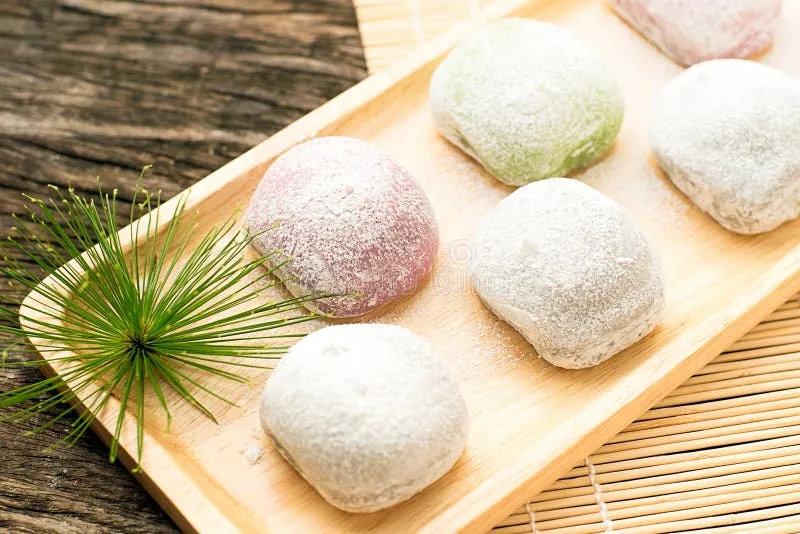
Photo: assorted daifuku mochi on wooden tray at asian bakery counter, via thumbs.dreamstime.com
It started the way most of my problems do: with a comment from my mother-in-law. She was visiting from Ohio, bit into a store-bought daifuku I'd picked up at a big-box store, and said, politely, 'So this is what all the fuss is about?' The pity in her voice was devastating.
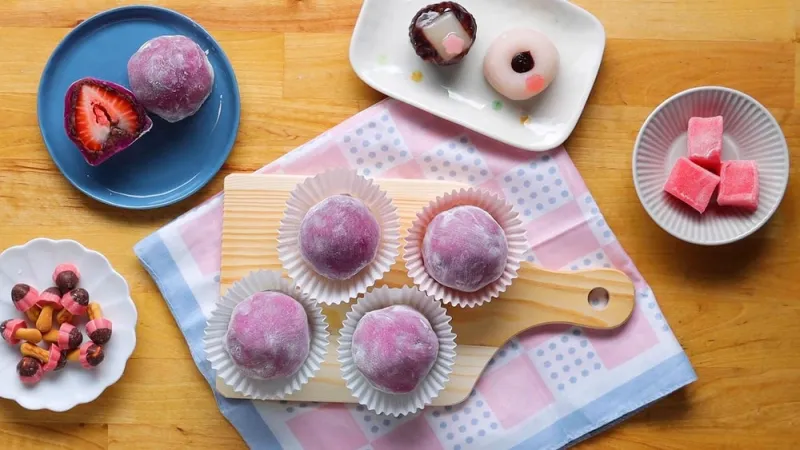
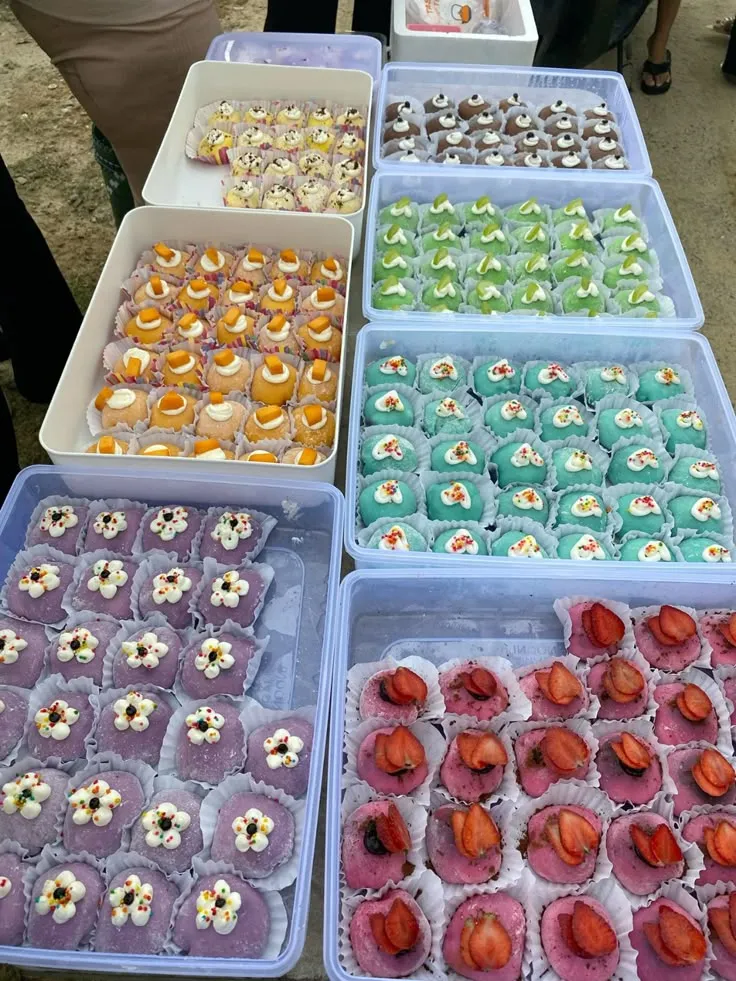
She was right, though. That thing was a rubber ball with a rumor of red bean inside. I knew better mochi existed within driving distance — I just didn't know where, exactly, or how to tell the good stuff from the day-old stock. So I did what any reasonable person does: I made a spreadsheet, mapped every Asian bakery and grocery counter within a 50-mile radius, and spent three Saturdays eating my way through twelve of them.
My family survived. My notebook did not fare much better, what with all the sticky fingerprints. But I came home with a ranking system you can steal, a few tricks for spotting fresh mochi, and a newfound respect for the unassuming strip-mall bakery next to the pho place.
The Rules of the Crawl
Before the first stop, I set some ground rules, because otherwise this becomes 'woman eats twelve desserts and calls it journalism.'
Every daifuku was scored on three criteria, out of ten points each:
- Texture (10 pts): The skin should be soft, stretchy, and just barely dusted — not dry, not gummy, not sweating in its wrapper.
- Filling generosity (10 pts): A good daifuku is roughly half filling. If I needed a flashlight to find the red bean, points came off.
- Price (10 pts): Fair value per piece, judged against the other stops. A $1.50 daifuku that punches above its weight beats a $4 artisanal one that doesn't.
I bought at least two pieces at each stop — one to eat in the car like a professional, one to bring home for a cold-blooded second opinion from my husband. Freshness matters enormously with mochi, so I only visited bakeries in the morning, ideally within an hour of opening.
How to Spot Fresh Mochi (Before You Buy)
This might be the most useful thing I learned all month, and you can use it at any bakery in any city:
- Look at the dusting. Fresh mochi wears a light, even coat of starch. If the surface looks wet, glossy, or clumped, it's been sitting around absorbing moisture.
- Check the creases. Daifuku that's been handled a lot develops cracks and dull spots where the starch has rubbed off.
- Ask when they're made. Most counters will tell you straight up. 'This morning' is the answer you want. 'We get deliveries Tuesdays' means today better be Tuesday.
- The squish test. If the shop allows it (many do at open counters), a gentle press should spring back. A slow, reluctant rebound means the mochi is staling.
One more thing: refrigeration is a double-edged sword. Mochi firms up hard in the fridge, so a refrigerated daifuku should be left at room temp for 20–30 minutes before eating. If a shop sells them straight from the cold case with no note, that's a small ding in their favor.
The Results, From Bottom to Top
The bottom tier (two stops): Both were pre-packaged daifuku at large grocery chains — fine in a pinch, but the skins were firm and the fillings tasted more like sweet paste than sweet beans. If you've only ever had mochi from a plastic clamshell, please keep reading, because it gets so much better.
The middle of the pack (six stops): Solid, honest mochi. The Korean bakery chain in the shopping plaza scored well on texture but skimped slightly on filling. The Vietnamese banh shop had a wonderfully chewy skin but only offered one filling. The pan-Asian market near the university was the value champion — three pieces for the price of one elsewhere — though they were clearly made the previous day.
The podium:
- Third place — the Chinese bakery downtown (26/30). Beautiful, pillowy skins and a seasonal mango filling that tasted like actual fruit. Lost points on price and a limited selection.
- Second place — the Japanese market two towns over (27/30). Made in-house every morning, generously filled, and the ichigo (strawberry) daifuku in winter was a genuine surprise. The cashier gave me a heating tip for free, which I'm passing on to you: ten seconds in the microwave and it's freshly-made all over again.
- First place — the unmarked bakery in the strip mall (28/30). No website, no sign in English, a grandmother behind the counter who sold out of daifuku by 11 a.m. on Saturdays. The skin was impossibly soft, the red bean filling was clearly house-made, and the price was a dollar less than anywhere else. This is the place I now bring every out-of-town guest.
Run Your Own Crawl
You don't need twelve stops — three is plenty for a satisfying Saturday. Here's the template:
- Map it. Search 'Asian bakery,' 'Japanese market,' 'Korean bakery,' and 'Chinese bakery' within your radius. Google Maps reviews mentioning 'mochi' or 'daifuku' are gold.
- Go early. Freshness is everything, and the best counters sell out.
- Buy two pieces per stop. One for the road, one for a fair, unhurried tasting at home.
- Score as you go. Texture, filling, price — ten points each. Write it down, because by stop four everything blurs.
- Talk to the counter staff. Every great find on my list came with a conversation. Ask what's made in-house and when.
My mother-in-law is coming back this spring, and this time I know exactly where we're going first. The strip mall with no sign doesn't need a review from me — it sells out either way — but between us, it earned every sticky page in my notebook.